Tribeca Family Apartment Guide for Space, Amenities, and Resale
July 2, 2026
July 2, 2026
If you are trying to balance more space, everyday convenience, and long-term value in Manhattan, Tribeca tends to enter the conversation quickly. For many growing households, the challenge is finding a neighborhood that feels practical day to day without giving up character or resale strength. This guide will show you why Tribeca stands out for larger layouts, amenity-rich living, and premium positioning in the downtown market. Let’s dive in.
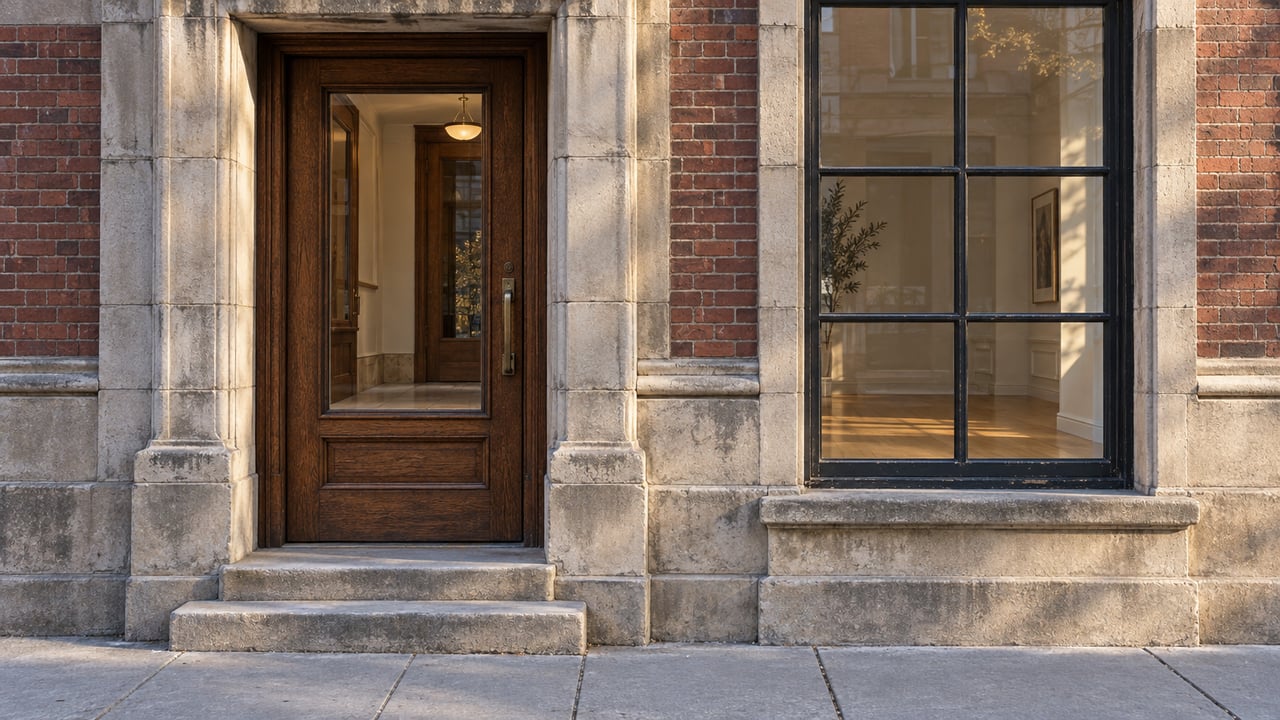
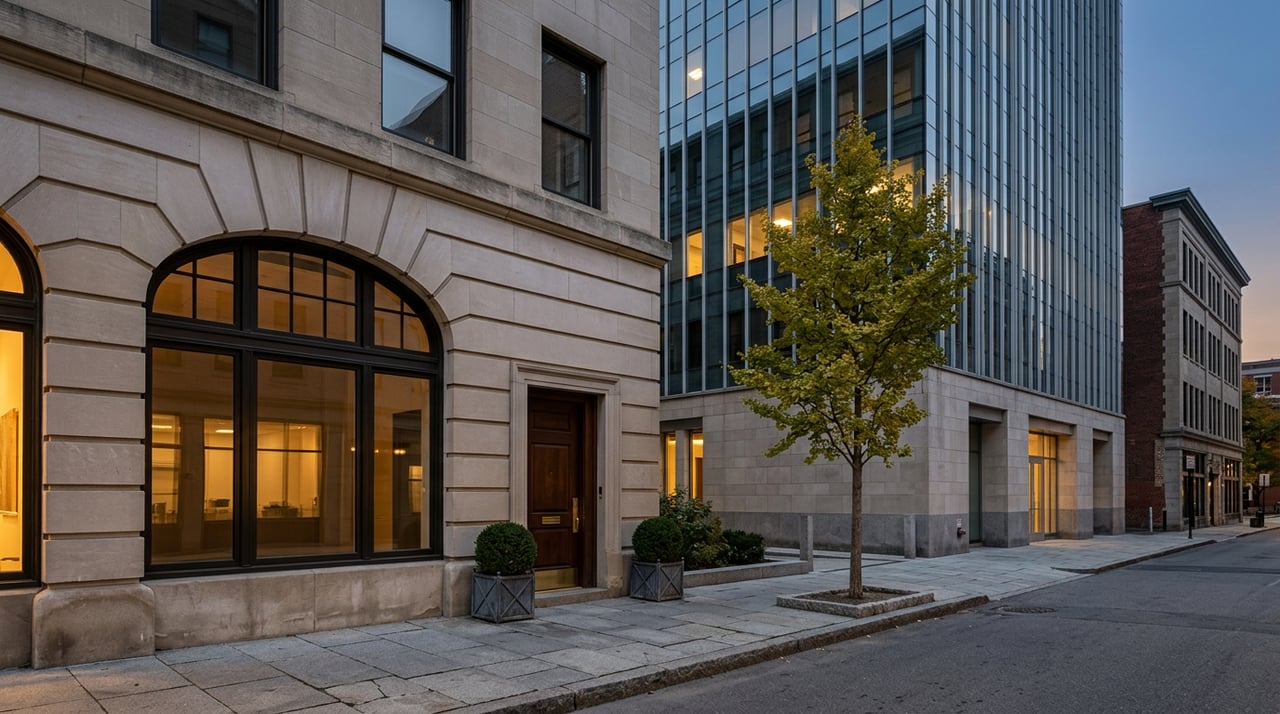
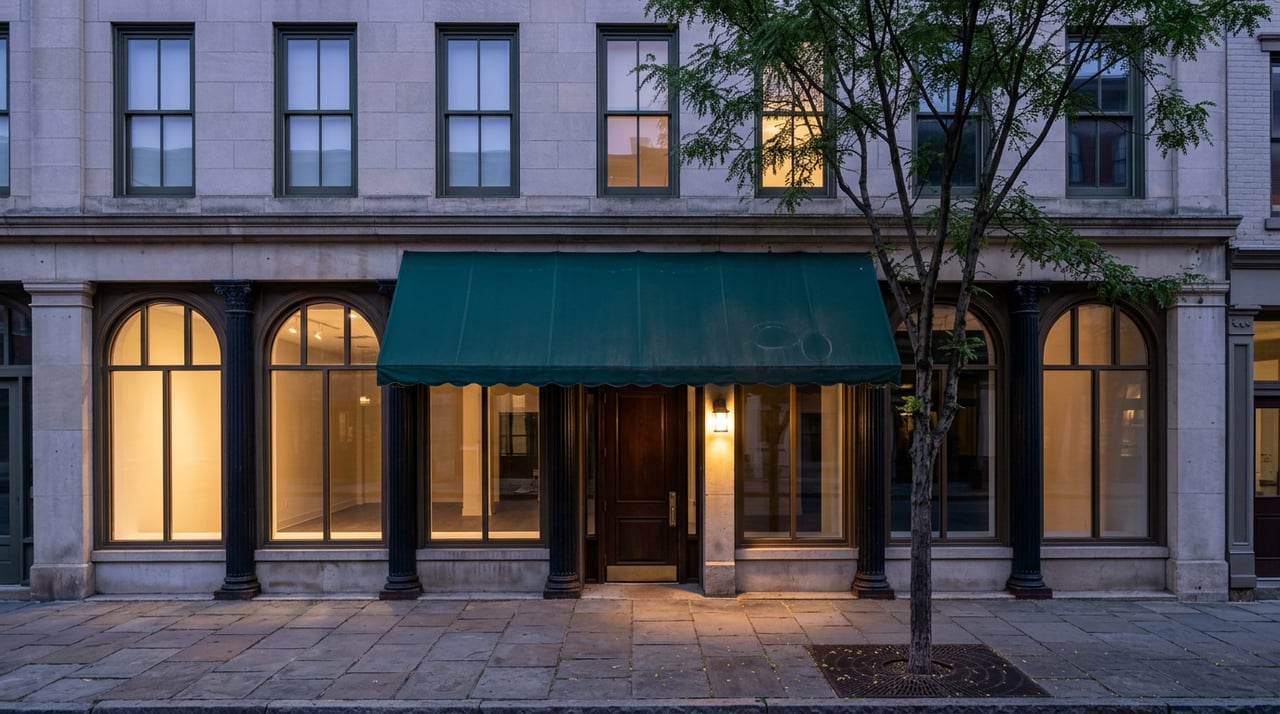
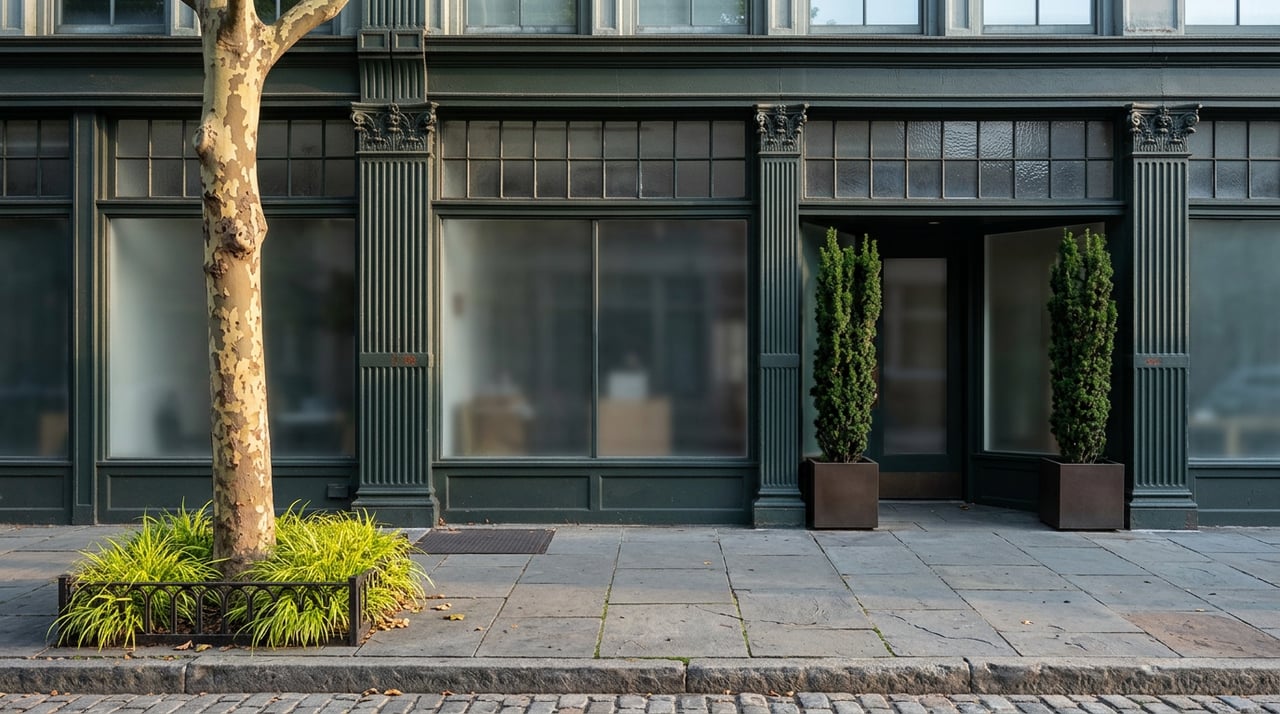
Tribeca offers something that is hard to replicate in Manhattan: large private interiors within a low-rise loft setting. NYC Planning describes nearby Tribeca as largely made up of low-scale residential loft buildings, often 5 to 10 stories tall, many converted from industrial use. That physical character helps shape the neighborhood’s more spacious feel.
For you, that often translates into homes that live differently from standard apartment stock. PropertyShark notes that family living is one of Tribeca’s biggest draws because warehouse lofts create some of New York City’s largest living spaces. In a market where extra room can be hard to find, that matters.
If square footage is a priority, Tribeca compares well even by Manhattan standards. PropertyShark found that the neighborhood had a 2023 median condo size of 1,860 square feet, placing it among the city neighborhoods where median condo size exceeded 1,500 square feet. That is a meaningful benchmark if you are comparing downtown options.
This does not mean detached-home scale. It means loft-scale apartments, especially larger condos and residential conversions, where layout and ceiling height can make daily life feel more comfortable. For households that need room for work, storage, guests, or simply breathing space, that distinction is often the reason Tribeca stays on the shortlist.
Tribeca’s housing stock is shaped by its loft and conversion history. Rather than a neighborhood dominated by conventional high-rise towers, much of its appeal comes from residences created within former industrial buildings. That often means broader floor plates, larger windows, and layouts that feel more open.
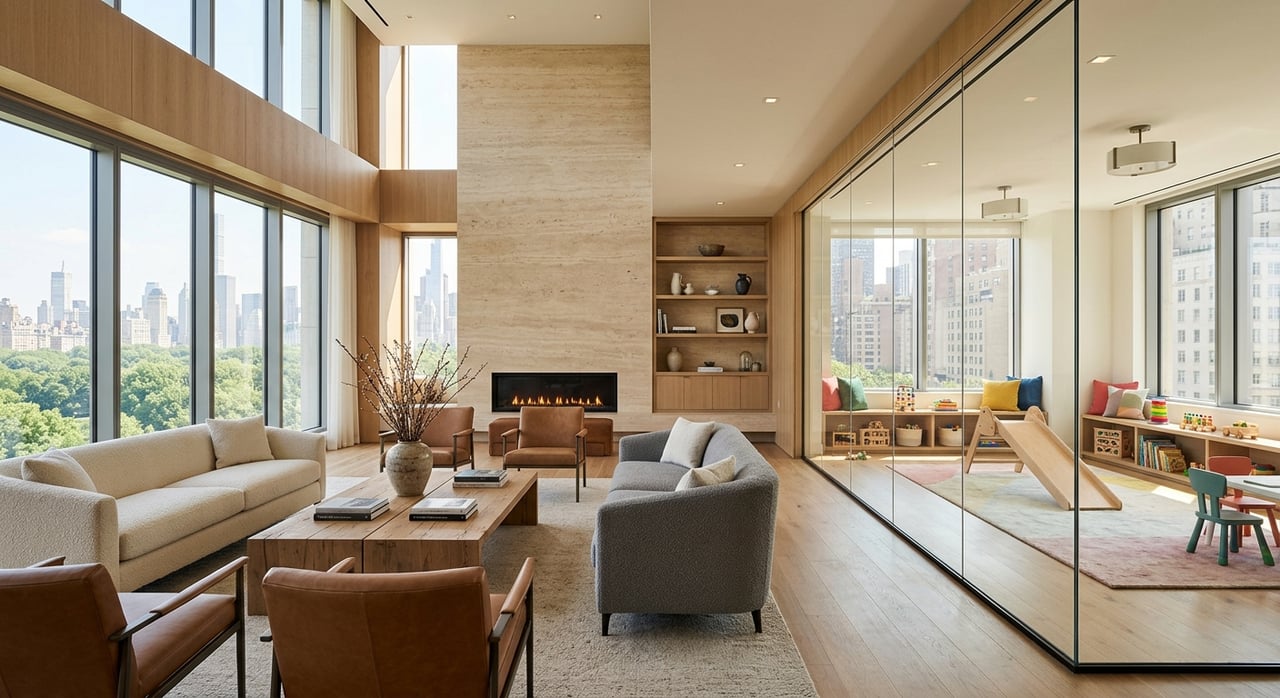
Building examples reinforce that point. At 108 Leonard, conversion materials describe 152 residences ranging from 851 to 3,683 square feet, along with more than 20,000 square feet of wellness-focused amenities. At 443 Greenwich, advertised amenities include a 75-foot lap pool, a 5,000-square-foot roof deck, storage, a fitness center, a children's playroom, wine storage, valet parking, and a full-service lobby with 24-hour concierge and doorman service.
For a growing household, square footage is only part of the story. Building amenities can reduce pressure on your private space and make your routine easier. In Tribeca, that is often part of the value equation.
A playroom can give children a place to spread out without turning your living room into a full-time activity zone. Storage can help seasonal gear disappear. Fitness spaces, concierge service, roof decks, and valet parking can make a busy schedule feel more manageable.
Tribeca’s outdoor amenities are another reason it appeals to households planning for the long term. Hudson River Park’s Tribeca section includes Pier 25, Pier 26, and Tribeca Upland. According to Hudson River Park, the area includes a playground, kayaking, a skatepark, a dog run, basketball and tennis courts, and a marine-science-focused playground at Pier 26.
That mix gives you options across different ages and routines. A quick playground stop, a weekend walk on the waterfront, or access to courts and open areas can make a real difference when you live in an apartment, even a large one.
Washington Market Park adds another layer at the neighborhood level. NYC Parks describes it as a small park with athletic facilities, public restrooms, and a playground. For many buyers, that combination of nearby green space and practical facilities supports the neighborhood’s everyday livability.
Tribeca is not just about square footage and amenities. It also offers a downtown cultural environment that feels established and active. That can be appealing if you want a neighborhood with more than residential convenience.
BMCC Tribeca Performing Arts Center describes itself as the longest operating performance venue in Lower Manhattan and serves the broader downtown community with music, dance, and children's theatre. The Tribeca Festival brings together artists and audiences across film, TV, music, podcasts, games, and immersive work. Taste of Tribeca, a parent-run outdoor food festival and public-school fundraiser, supports arts and enrichment programs at PS 150 and PS 234.
Taken together, these features give Tribeca a more layered feel than a purely residential enclave. You get the benefits of practical daily living along with a strong public and cultural backdrop.
If you are choosing between downtown neighborhoods, SoHo often comes up alongside Tribeca. The two share loft history and premium pricing, but they do not read exactly the same. Based on public data, Tribeca tends to come across as the more room-forward option.
PropertyShark reported a 2023 median condo size of 1,860 square feet in Tribeca and 1,954 square feet in SoHo, so both neighborhoods rank high on size. But the practical market framing from the research is that Tribeca generally feels slightly more oriented toward larger household living, while SoHo often commands a higher price per square foot.
Spring 2026 figures illustrate that split. PropertyShark reported a median sale price of $3.4 million in Tribeca with $1,786 per square foot, compared with $2.8 million in SoHo and $2,313 per square foot. These are thin markets, so medians can move with the mix of sales, but the broad pattern is useful: Tribeca often trades at the higher total ticket price, while SoHo can post a higher price per square foot.
Battery Park City is a different kind of downtown alternative. If your priority is planned open space and recreation programming, it deserves consideration. The Battery Park City Parks Conservancy says the neighborhood has about 36 acres of public space, a landscaped esplanade, and a community center at Stuyvesant High School with a half-Olympic pool, basketball courts, a gym, fitness equipment, and classes including swim lessons, yoga, and tai chi.
That makes Battery Park City a strong competitor on recreation and open-space planning. Tribeca, by contrast, tends to stand out more for loft character, larger-feeling private interiors, cultural texture, and premium resale positioning. The right fit depends on whether you value programmed green space most, or whether you want the blend of loft housing and downtown neighborhood character that Tribeca offers.
For buyers thinking several years ahead, resale matters. Public market reports keep Tribeca at the premium end of downtown Manhattan. PropertyShark’s 2024 annual neighborhood ranking placed Tribeca at #2 citywide with a median sale price of $3.3 million, ahead of SoHo at $3.1 million.
That report also noted that sales in Tribeca declined 17% year over year, which is important context. In a thin, high-end market, volume can shift and medians can move. Even so, the neighborhood remained firmly in the top tier on price.
Longer-term corridor data supports the same general conclusion. In the combined SoHo/TriBeCa condo corridor, the Elliman and Miller Samuel decade survey reported a 2025 median sales price of $3.80 million, up from $3.44 million in 2024 and above the 2016 level of $3.60 million. Battery Park City condos were far lower at $885,000 in 2025.
No neighborhood guarantees future performance, but Tribeca’s market position offers a useful signal. Buyers continue to pay for the combination of scale, loft character, amenities, and location. Those qualities are difficult to replicate in Manhattan, which can help support demand over time.
If you are buying with a growing household in mind, this is where disciplined analysis matters. It is not only about finding the biggest apartment. It is about understanding which layouts, buildings, and blocks are most likely to serve your needs now while still appealing to the next buyer later.
Tribeca can be a strong fit if you want:
It may be especially appealing if you are comparing downtown options and want a home that feels more spacious without leaving Manhattan’s core. In that sense, Tribeca occupies a distinct lane. It is not simply expensive downtown real estate. It is a neighborhood where space, convenience, and long-term market positioning often come together in a more balanced way.
If you are weighing a move to Tribeca or preparing to sell a larger Manhattan apartment, a careful neighborhood-specific strategy can make a meaningful difference. For discreet, data-driven guidance tailored to your goals, Anna Coatsworth can help you evaluate the right next step.


Get assistance in determining the current property value, crafting a competitive offer, negotiating a sale, and much more. Contact me today.