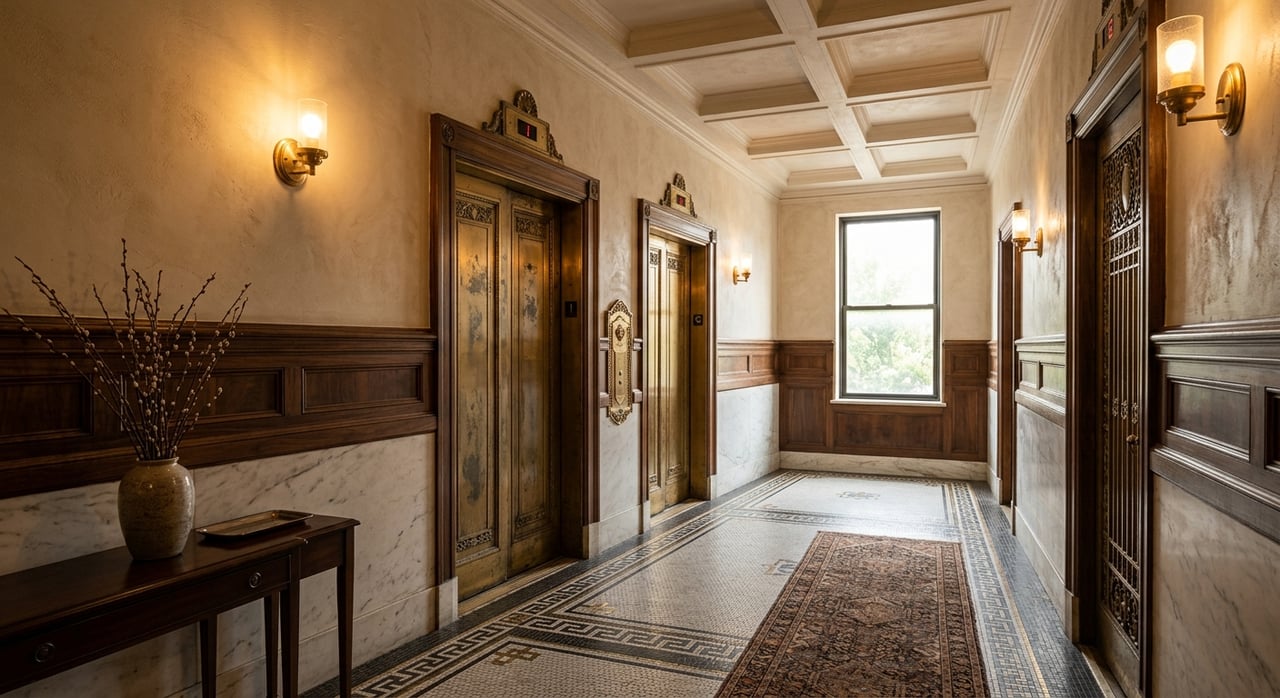
What To Know Before Buying In A Gramercy Co-Op
July 23, 2026
July 23, 2026
Buying a co-op in Gramercy can feel simple on the surface and surprisingly layered once you look closer. You may fall for a beautiful prewar facade, a quiet block, or the idea of living near Gramercy Park, but the real decision goes beyond the apartment itself. If you are considering this part of Manhattan, it helps to understand how co-op ownership, historic-district rules, and building finances all work together. Let’s dive in.
In Gramercy, the building matters just as much as the unit. That is true in any co-op, but it is especially important here because the area includes a mix of older townhouse-scale buildings and later apartment houses within a landmarked district.
That variety means one address may have a very different ownership experience from the next. Some buildings are small and intimate, while others are larger and more formal. The rules, renovation limits, and financial picture can vary widely, even on the same block.
Gramercy Park is part of what gives the neighborhood its distinct identity. The Landmarks Preservation Commission describes it as a private square that is generally restricted to owners, with access tied to specific lot holders.
For you as a buyer, that means park access is not something to assume. If a listing highlights proximity to the park or suggests key access, you should verify whether that specific building actually qualifies and what the current rules are.
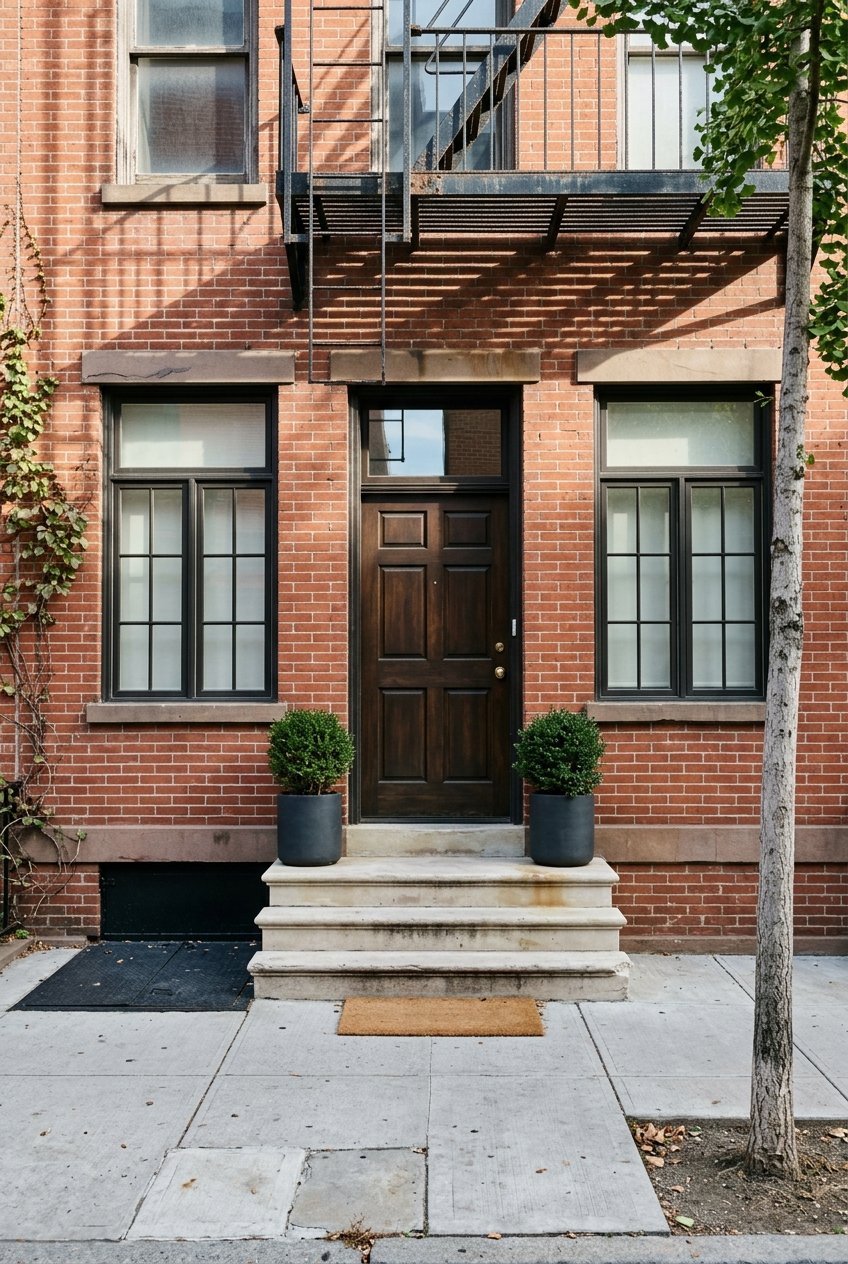
The neighborhood’s historic character also shapes day-to-day ownership. Gramercy is known for its quiet residential feel, human scale, and many nineteenth-century buildings, which often creates a very different atmosphere from newer parts of Manhattan.
When you buy a New York co-op, you are not taking title to real property in the same way you would with a condo. You are buying shares in the corporation that owns the building, and those shares are allocated to your apartment.
Along with those shares, you receive a long-term proprietary lease. That lease, together with the bylaws, certificate of incorporation, and house rules, helps define what you can do in the apartment and what the board can regulate.
This structure matters because your purchase is tied to the health and governance of the entire building. In other words, you are buying into a small corporation, not just a floor plan.
In a co-op, maintenance charges are typically based on your share allocation. Those monthly charges support the building’s operating costs and ongoing obligations.
For many Gramercy buyers, the biggest financial question is not just the current maintenance number. It is whether the building may face major repair costs that could lead to future increases or assessments.
According to the New York Attorney General, older buildings often need ongoing work. Expensive items can include:
That does not mean older Gramercy buildings are a bad bet. It means you should evaluate the building’s repair history and financial condition with the same care you give the apartment’s layout and finishes.
One of the smartest things you can do before making an offer is treat due diligence as part of the shopping process, not just a legal step later. The Attorney General recommends reading the entire offering plan, when one exists, and consulting an attorney before signing a purchase agreement.
In a resale, an offering plan may not exist. Even so, there are still core documents that can tell you a great deal about the building.
Before you move forward, ask your attorney and advisor to help you review items such as:
These documents can reveal far more than a listing sheet ever will. Board minutes and financial reports may point to recurring repairs, upcoming projects, or broader patterns in how the building is run.
If you are looking at a sponsor sale or a conversion, it is important to focus on what is written, not what is marketed. The Attorney General states that the text of the offering plan controls the sponsor’s obligations.
That means brochures, renderings, and verbal statements should not be treated as promises unless they are specifically reflected in the plan. In a neighborhood like Gramercy, where historic charm can sometimes mask expensive underlying issues, that distinction is especially important.
Most Gramercy co-ops are board-governed, and board approval is often one of the most important steps in the purchase process. The board’s authority comes from the building’s internal governing documents, and it must act according to those rules.
From a buyer’s perspective, this is why co-op purchases can feel document-heavy. Even if the apartment itself is straightforward, the approval process may require extensive paperwork and careful timing.
New York City has enacted a co-op sales timeline law that was approved on January 29, 2026 and takes effect 180 days later. Based on that timing, it applies to applications made on or after July 28, 2026.
Once effective, it will require a standardized application and transfer-requirements list, written acknowledgment within 15 days of receiving an application, and a board decision within 45 days after a complete application, with a limited summer recess extension. As of July 19, 2026, the law has been enacted but is not yet in effect.
That is helpful context if you are planning a purchase around a specific closing window. Until the law takes effect, timing can still vary by building.
Because the Gramercy Park Historic District is landmarked, renovation planning should start early. Exterior work in a historic district often requires review by the Landmarks Preservation Commission.
According to LPC, permits are required for restoration, alteration, reconstruction, demolition, or new construction affecting a building’s exterior in a historic district. Interior work can also require LPC review if it needs a Department of Buildings permit or affects the exterior.
Ordinary repairs such as replacing broken glass or repainting in kind usually do not require a permit. But if you are considering changes to windows, facades, rooftop elements, or certain HVAC-related features, it is wise to investigate those issues before you buy.
If you hope to update a Gramercy co-op after closing, ask about:
These questions can help you avoid buying a home that does not match your renovation goals.
The clearest way to approach a Gramercy co-op is to treat the building as the product. The apartment may be what draws you in, but the building’s documents, finances, board history, and landmark constraints often determine whether the purchase feels smooth and sustainable over time.
This is one reason experienced co-op guidance matters in Manhattan. A disciplined review of the building can help you avoid surprises and make a more confident decision, especially in a neighborhood where charm and complexity often come together.
If you are weighing a Gramercy co-op purchase and want a steady, analytical perspective on the building as well as the apartment, Anna Coatsworth can help you navigate the process with discretion and clarity.


Get assistance in determining the current property value, crafting a competitive offer, negotiating a sale, and much more. Contact me today.