Greenwich Village Neighborhood Guide for Buyers
February 19, 2026
February 19, 2026
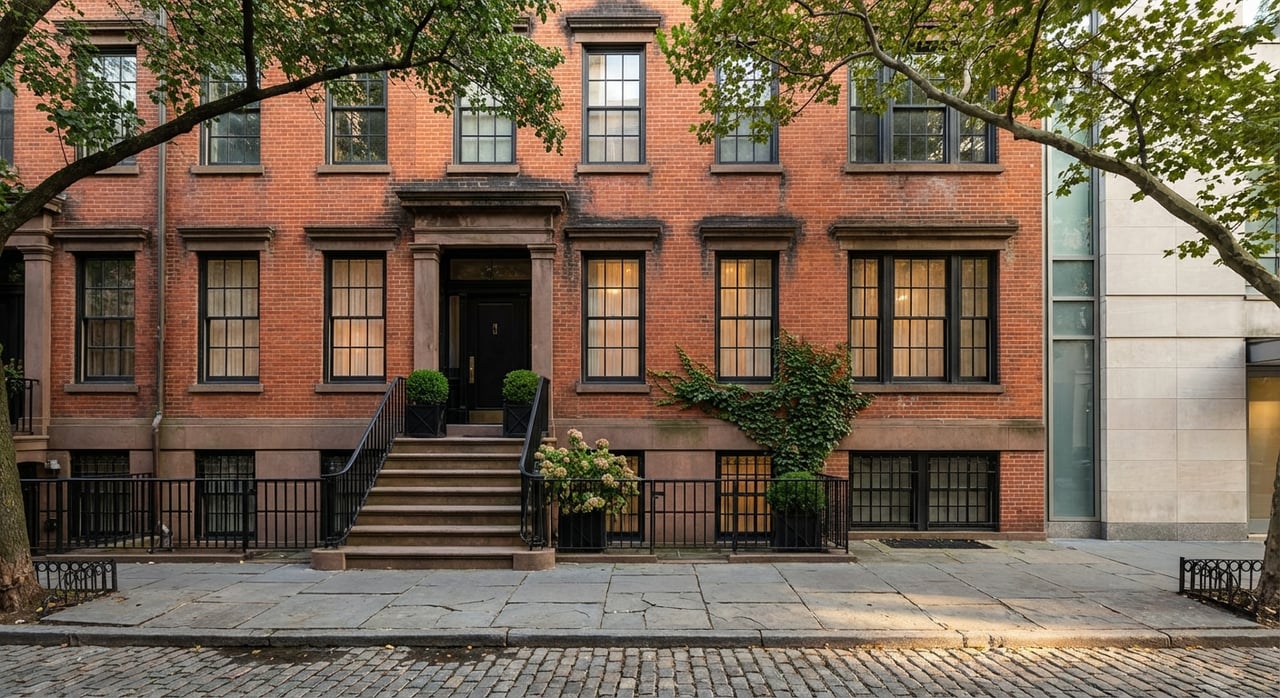
Picture leafy side streets, a jazz riff floating from a cellar club, and historic brownstones catching late light. That is the Greenwich Village many people imagine. The reality is even better, but it varies block by block and building by building. In this practical guide, you will learn the housing types, price context, co‑op versus condo tradeoffs, key micro‑areas, culture, commute options, and a buyer checklist that helps you choose the right home with confidence. Let’s dive in.
Greenwich Village sits in Lower Manhattan, roughly bounded by 14th Street to the north, Broadway to the east, Houston Street to the south, and the Hudson River to the west. Much of the area is within the Greenwich Village Historic District and its extensions, which helps preserve 19th‑century rowhouses, brownstones, and low‑rise walk‑ups. Those landmark protections keep the neighborhood’s human scale and tree‑lined character intact. You can learn more about the district’s rules and history through Village Preservation’s resources.
The Village has long been a center for arts and activism. Folk and jazz music, Off‑Broadway theater, and political organizing shaped its identity. Christopher Park and the Stonewall area are now a national site of LGBTQ+ remembrance and ongoing community life. If this history interests you, the Stonewall National Monument fact sheet offers helpful context.
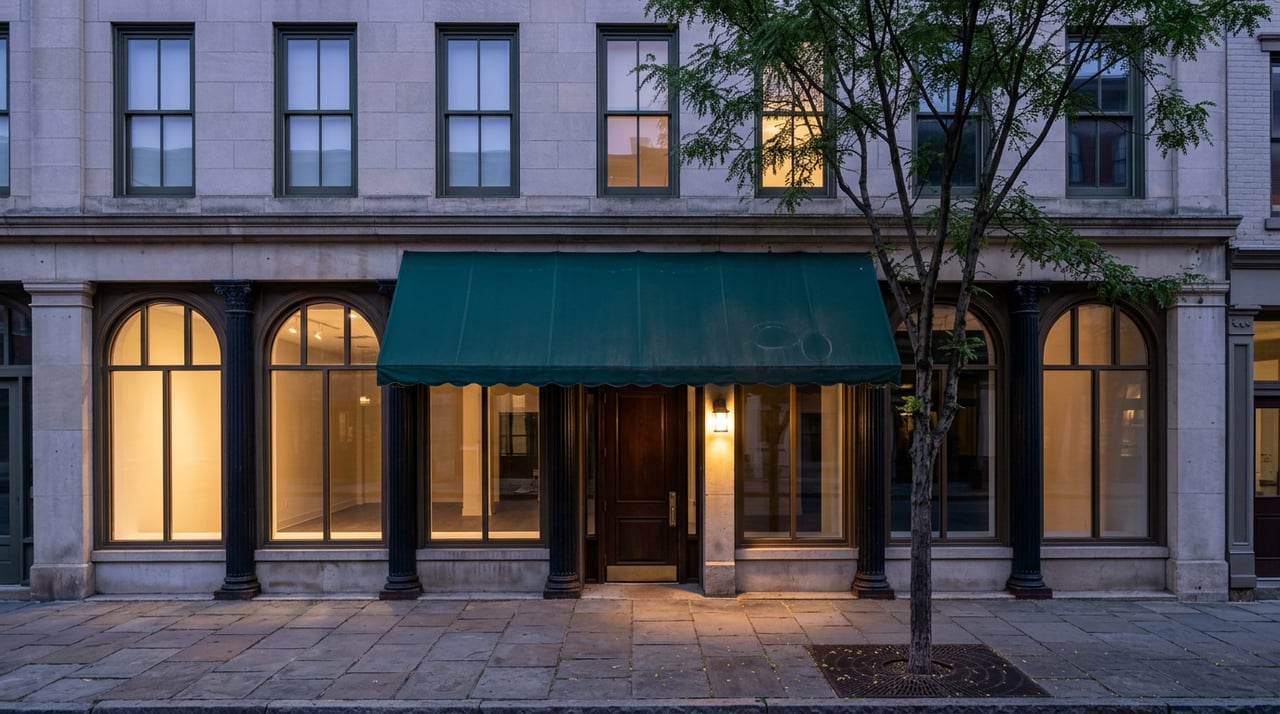
You will find a mix of pre‑war co‑ops and walk‑ups, historic brownstones and townhouses, plus a scattering of boutique condos and loft conversions. Larger new developments are less common on landmarked side streets, so many homes sit in small buildings with unique layouts and details. Where you see modern condos, they are often conversions or modest infill on commercial blocks or near the neighborhood edges.
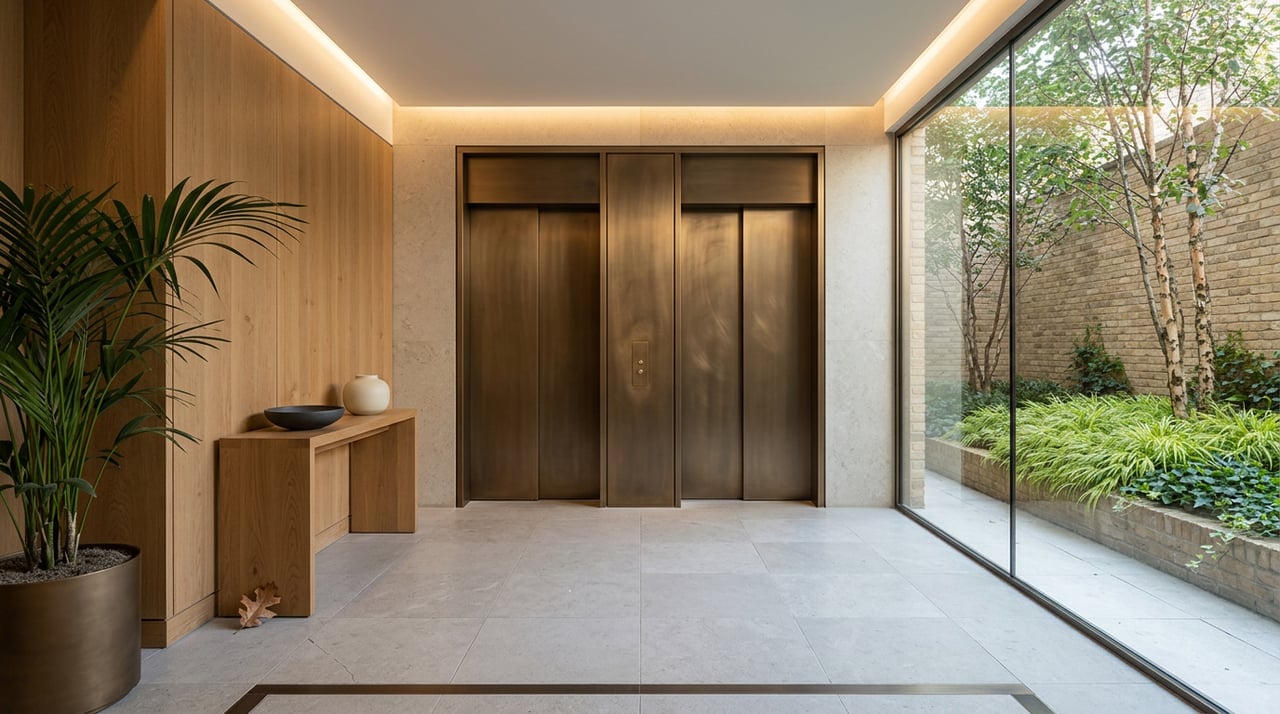
If you value historic details and intimate scale, you will have strong options here. If you want full‑service new construction, you may focus on specific pockets or consider the neighborhood’s edges where those buildings are more likely.
Recent neighborhood reporting shows an active but supply‑constrained market. In a fall 2025 snapshot, StreetEasy listed a Greenwich Village median sale price around the low‑to‑mid seven figures, roughly $1.25M in that monthly read. Keep this as an order‑of‑magnitude guide, not a fixed rule, since medians vary by co‑op versus condo, by size, and by block. You can review the broader context in StreetEasy’s fall market update.
In many active months, a material share of homes sell at or above ask. Tight inventory is common, especially for larger, well‑located residences on quieter streets.
Much of the Village’s pre‑war stock is co‑op. When you buy a co‑op, you purchase shares in a corporation and receive a proprietary lease. You should expect a detailed application, financial disclosures, and often a board interview. Monthly maintenance typically includes the building’s property tax allocation and, where present, the building’s underlying mortgage costs. Co‑ops can be less flexible with subletting and renovations, which many buyers accept for a more stable, long‑term environment and often lower list prices than comparable condos.
Condos tend to offer more flexible financing and ownership terms, with higher per‑square‑foot pricing in many cases. If you want to compare structures and processes at a glance, this Investopedia primer on co‑ops vs. condos is a useful overview.
Consider preparing for either path with these steps:
The Village reads differently from block to block. Here is a quick orientation to help you target the right streets.
Washington Square Park is the neighborhood’s public living room, with performers, chess players, festivals, and weekday student energy. The West 4th Street station below acts as a major transfer hub, so foot traffic is busiest within a few blocks. Get a sense of the park’s role in daily life through the NYC Parks page.
Bleecker Street and its short feeders like MacDougal and Minetta Lane are a spine for dining, music, and small shops. Expect active evenings and delivery traffic. If you want more quiet, pivot to side streets like Cornelia, Grove, Bank, Perry, or Bedford for brownstones and stoops.
Christopher Street centers historic and ongoing LGBTQ+ life. Christopher Park and the Stonewall Inn are both symbolic and active. Expect a mix of bars, local retail, and historic housing. For background on the site’s national status, see the Stonewall National Monument overview.
West of Seventh Avenue, the West Village is typically quieter, with winding streets, townhouse gardens, and fewer listings changing hands. Many buyers who want Village character with less campus energy focus here. Learn more about this sub‑area’s history and layout on the West Village page.
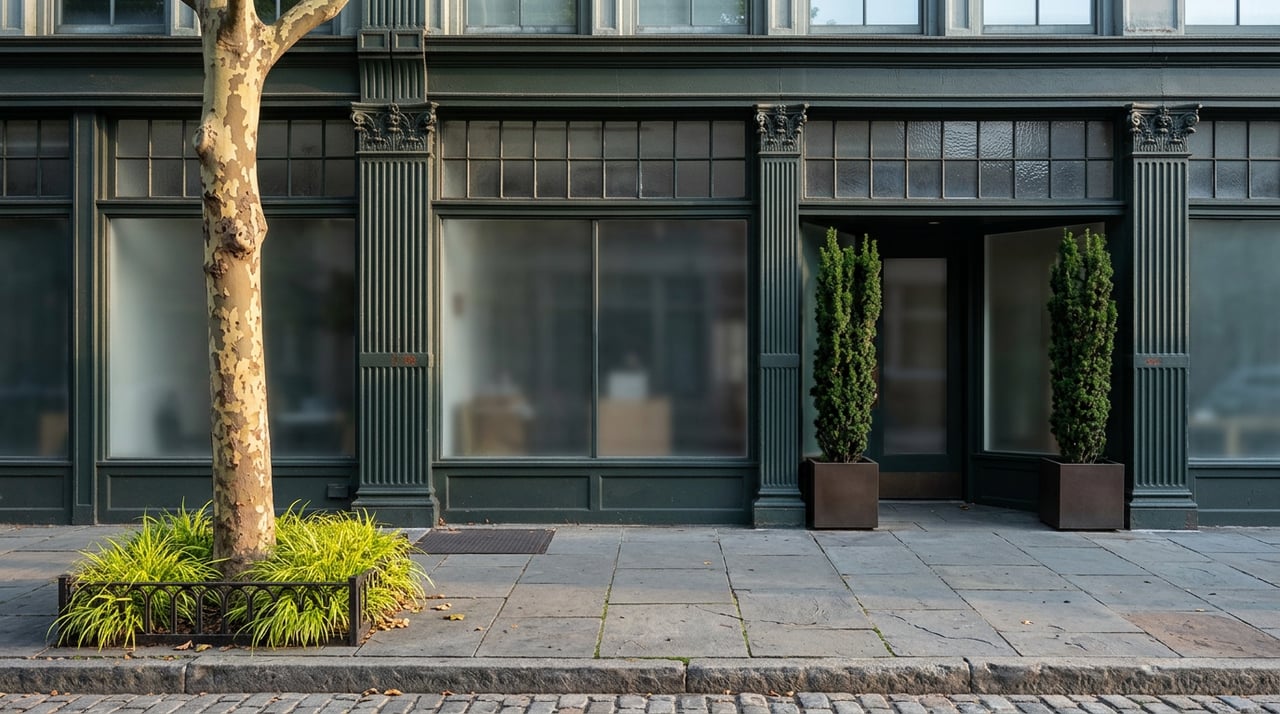
If you move toward the east edge and SoHo, you will feel a shift toward cast‑iron loft buildings, larger retail corridors, and different price dynamics. Buyers seeking open lofts often look there, while buyers wanting small‑scale brownstone blocks tend to favor the Village, especially on the west side.
The neighborhood’s landmarks and institutions define daily life.
Transit access is a reason many people choose the Village. West 4th Street–Washington Square is a major transfer station that connects you across Manhattan and beyond. Union Square and Christopher Street stations are also nearby, making downtown, midtown, and regional connections straightforward. Check current MTA schedules when you plan your commute.
Use this short list to focus your search and diligence.
If you want measured, data‑driven guidance with discretion at every step, connect with Anna Coatsworth to Request a Confidential Market Consultation. With a Columbia MBA, decades of Manhattan experience, and Compass technology behind the scenes, you get principled advice and a steady hand through complex co‑op and condo decisions.


Get assistance in determining the current property value, crafting a competitive offer, negotiating a sale, and much more. Contact me today.