How to Prepare Your Gramercy Co-op for a Successful Sale
April 16, 2026
April 16, 2026
Selling a Gramercy co-op is rarely as simple as tidying up and putting it on the market. In this part of Manhattan, buyers often weigh presentation, building reputation, and process just as carefully as square footage. If you want a smoother sale and a stronger first impression, it helps to prepare with Gramercy’s co-op rules, historic context, and buyer expectations in mind. Let’s dive in.
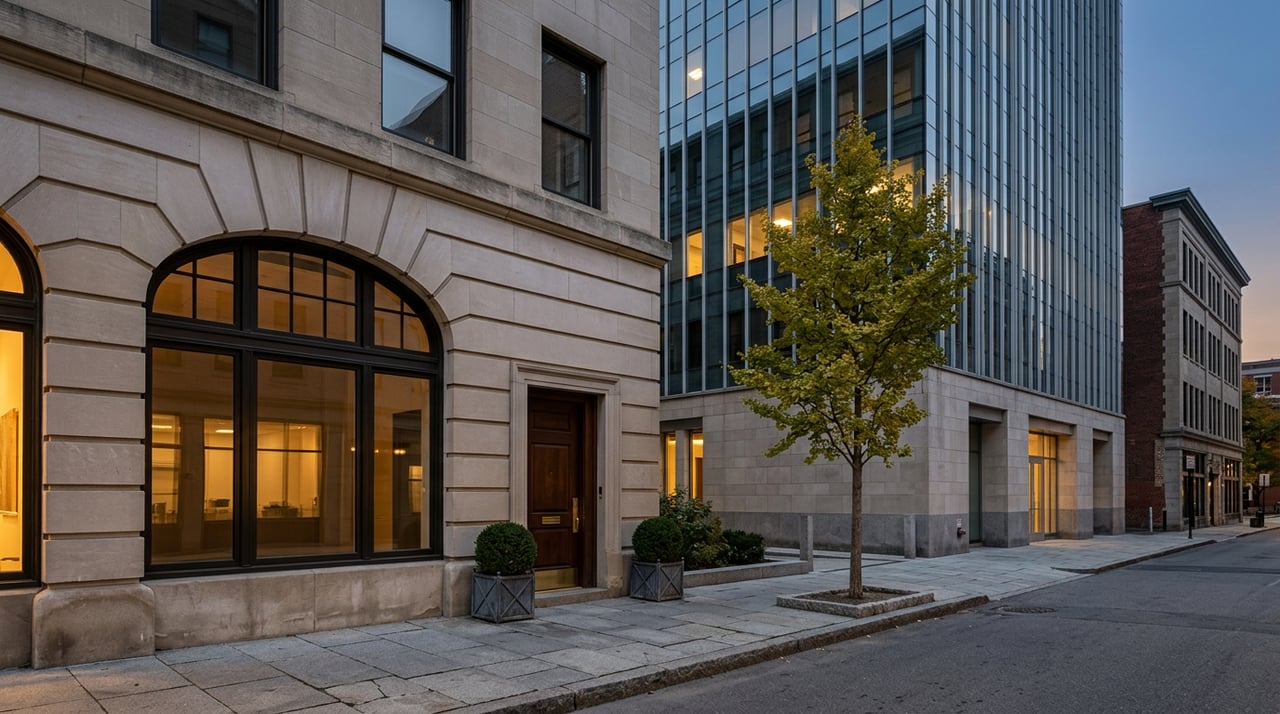
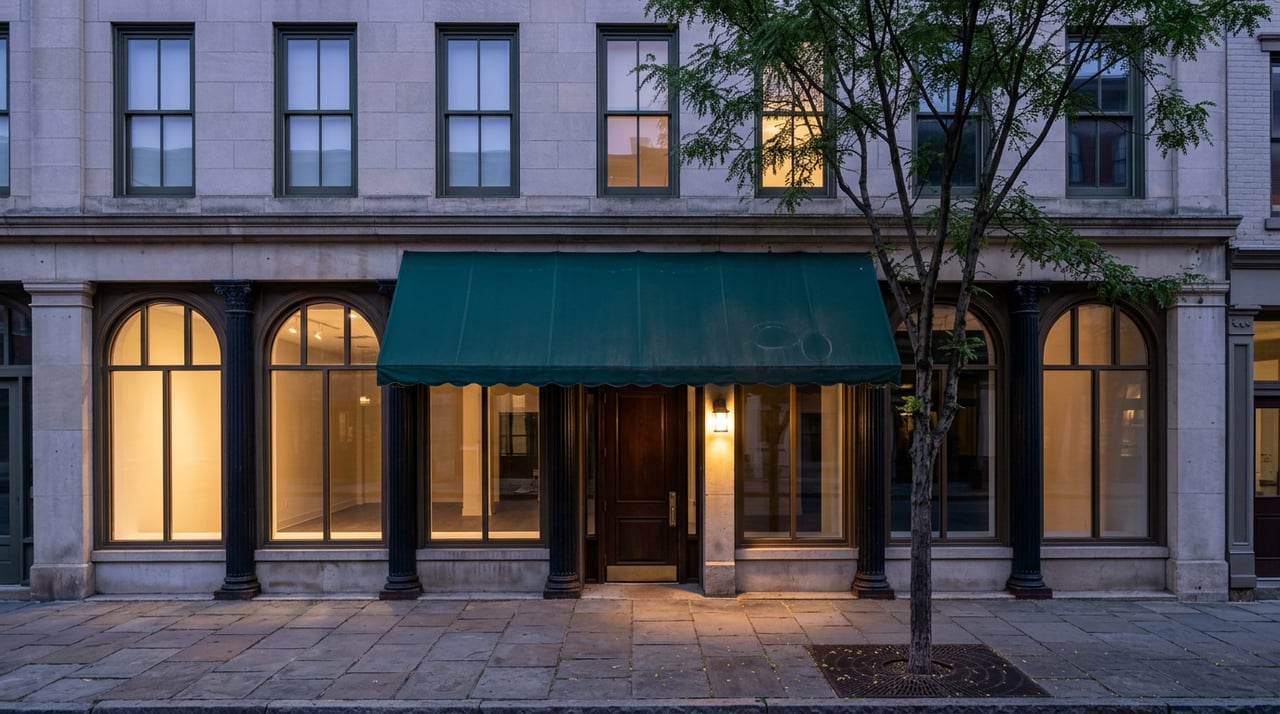
Gramercy has a distinct housing mix, with one- and two-family buildings, multifamily elevator and walk-up buildings, and a blend of residential and commercial uses, especially along First and Second Avenues. Official city planning materials place Gramercy Park within Manhattan Community District 6, and the area is known for its residential character and historic building stock. In practice, that means your apartment is often being judged in a highly specific neighborhood context, not just against broad Manhattan averages.
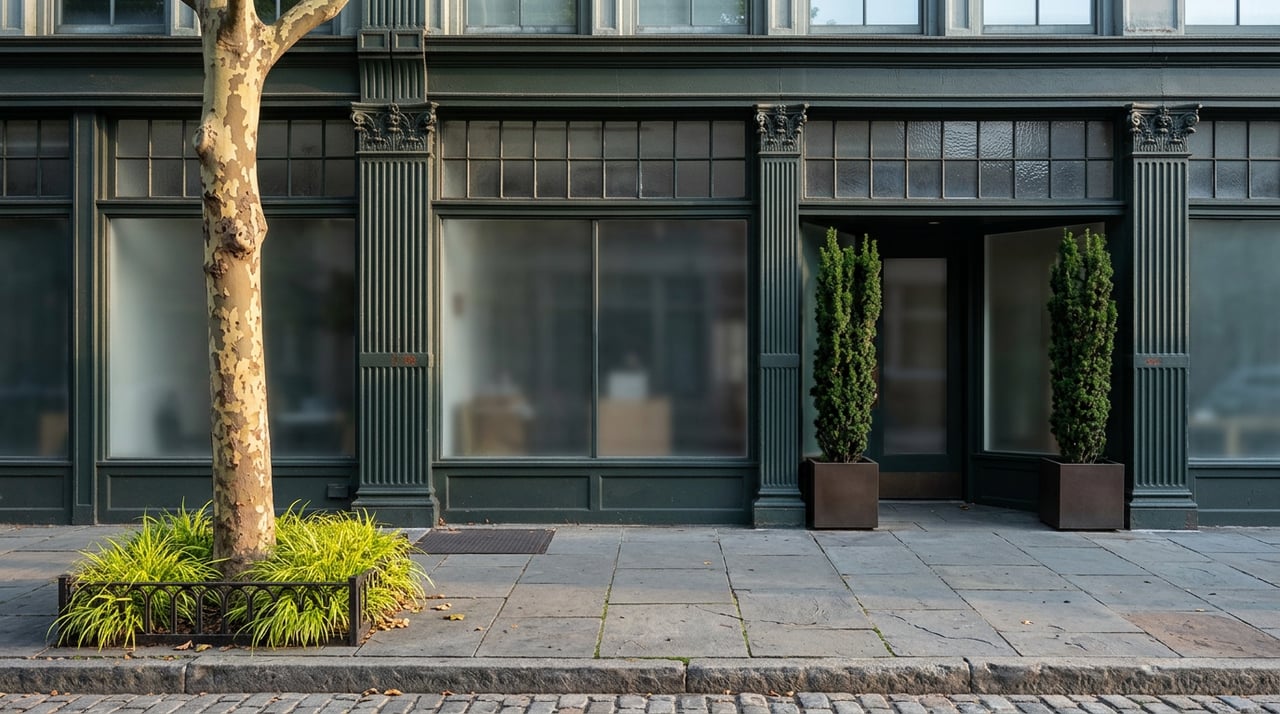
The neighborhood’s preservation rules also matter. The Gramercy Park Historic District was designated in 1996, and the Landmarks Preservation Commission notes that buildings in historic districts are protected under the Landmarks Law. If your building falls within that framework, certain updates may take more time and approvals than you expect.
Current market conditions also support a thoughtful approach. StreetEasy’s neighborhood snapshot, cited in city planning materials, describes Gramercy as quiet and laid-back, with many doorman buildings and historic architecture, and notes a median sale price around $1.0 million and median days on market around 62 days. That kind of environment tends to reward strong presentation and realistic expectations.
If you are wondering where to begin, the answer is usually not a full renovation. The strongest first step is a disciplined pre-listing plan focused on appearance, flow, and function. In many Gramercy co-ops, that delivers more value than disruptive construction.
According to the National Association of Realtors 2025 Profile of Home Staging, 83 percent of buyers’ agents said staging made it easier for buyers to visualize a property as a future home. The same report found that the living room, primary bedroom, and kitchen were the most important spaces to stage.
That finding matters because buyers usually encounter your home online before they ever schedule a showing. Clean rooms, strong photography, and a layout that reads clearly can shape how buyers value the apartment before they step inside.
A practical sequence for most Gramercy co-op sellers looks like this:
These steps line up well with the NAR staging data and with what many Manhattan buyers respond to: clarity, condition, and a sense of ease.
For most sellers, cosmetic work is the safest place to invest before listing. New York City’s Department of Buildings states that painting, plastering, installing new cabinets, replacing plumbing fixtures, and resurfacing floors generally do not require a permit, though contractor licensing and broader DOB rules still apply.
That does not mean every project is effortless, especially in a co-op. But it does suggest that low-disruption improvements are often the most practical choice when you want to prepare your apartment without creating delays.
If your apartment needs a refresh, start with changes buyers can see right away:
The goal is not to redesign the apartment around your personal taste. The goal is to help buyers understand the layout, feel the home is well cared for, and picture themselves living there.
In Gramercy, renovation limits can matter more than they do in many other Manhattan neighborhoods. The Landmarks Preservation Commission says interior work generally does not require its review unless it needs a DOB permit, affects the exterior, or involves an interior landmark. The city also notes that landmarked properties and buildings in designated historic districts need LPC permits before doing work, and some interior renovations may require a Certificate of No Effect when DOB permits are involved.
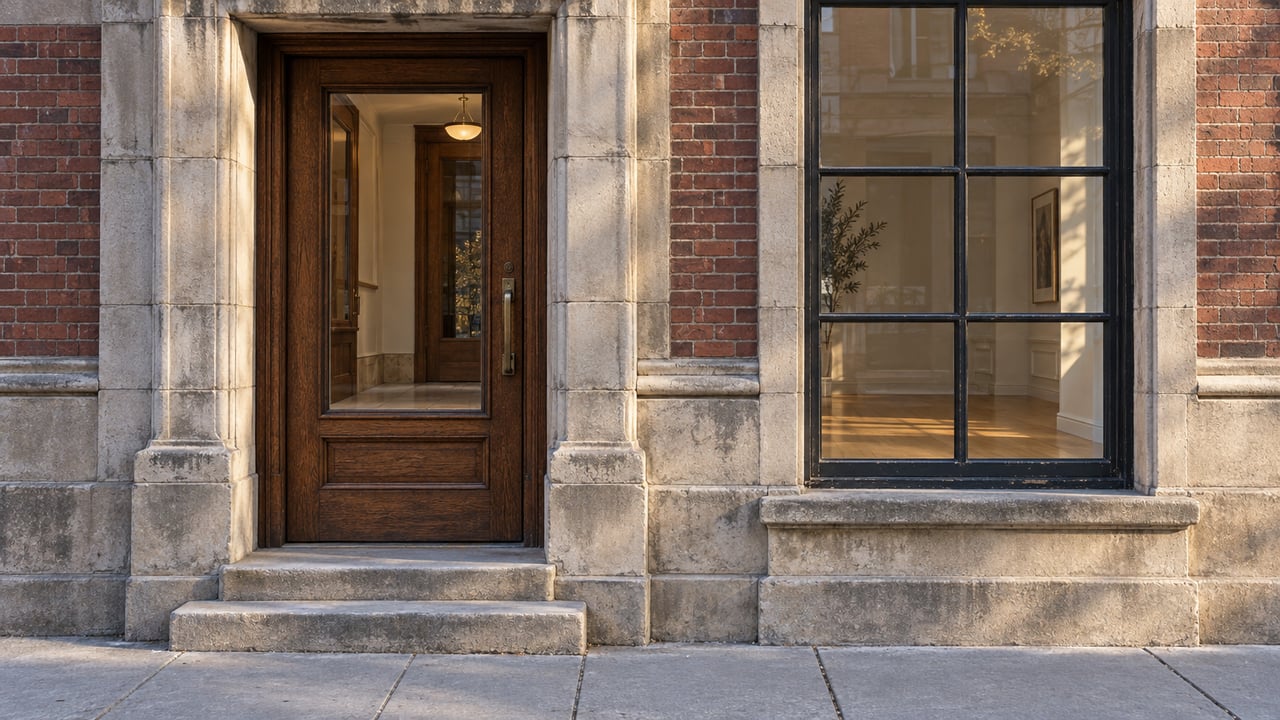
For sellers, the takeaway is simple: be cautious before spending money on anything beyond cosmetic interior prep. Window replacement, exterior door changes, and other visible exterior alterations may require approvals that can add cost and time.
Before you hire anyone, confirm:
In many cases, the best return comes from keeping the work simple and approval-light.
A successful sale in Gramercy is not only about showing well. It is also about avoiding preventable delays once you have a buyer. In co-op transactions, board package timing can be just as important as pricing and presentation.
CooperatorNews explains that co-op board packages often include financial documents, personal information, reference letters, tax returns, bank letters, employment verification, the contract of sale, a mortgage commitment letter, and supporting financial documentation. It also notes that boards often do not schedule an interview until the package is considered complete.
For a seller, that means you should start gathering building information before your apartment hits the market. The earlier you understand the board’s requirements, the easier it is to set realistic expectations for buyers and keep the transaction moving.
Ask the managing agent for:
Having this information early helps reduce surprises later.
New York City recently enacted Int. 1120-2024, which creates Chapter 37 in the Administrative Code for co-op sales. Among other things, the law requires co-ops with 10 or more units to maintain an application and transfer-requirements list, provide written acknowledgment within 15 days of receipt, and issue a notice of approval, conditional approval, or denial within 45 days after the application is complete.
The law also allows summer recess tolling and sets civil penalties for repeat violations. Based on the enactment and effective-date language, this is especially relevant for transactions with applications made on or after the law’s effective date.
For sellers, the practical lesson is straightforward. Ask for the exact checklist early, make sure your buyer understands the package requirements, and avoid side projects that could delay submission.
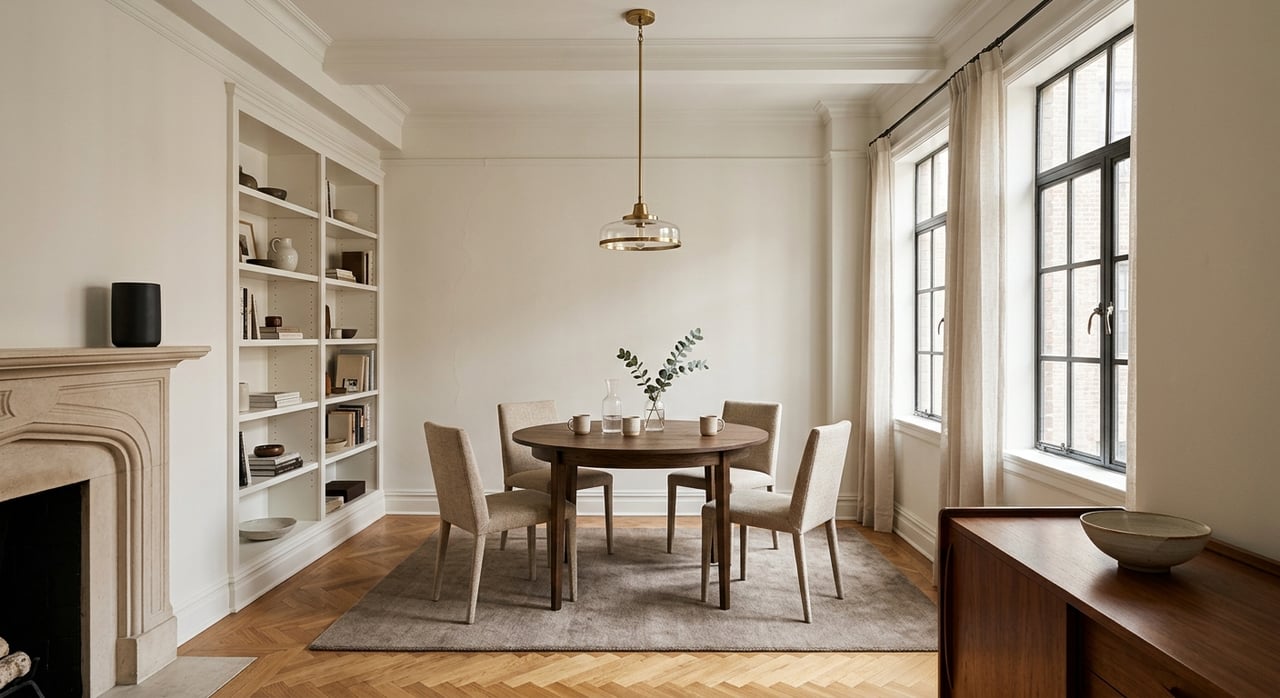
Because buyers often start online, your co-op should be prepared for photography and digital marketing, not just in-person showings. The NAR report found that buyers’ agents viewed photos, physical staging, videos, and virtual tours as important. That makes visual readiness a key part of sale preparation.
In Gramercy, where architecture and character can be major selling points, thoughtful staging should support the apartment’s proportions and details rather than compete with them. If you have prewar moldings, tall windows, or gracious room flow, the setup should make those features easier to read.
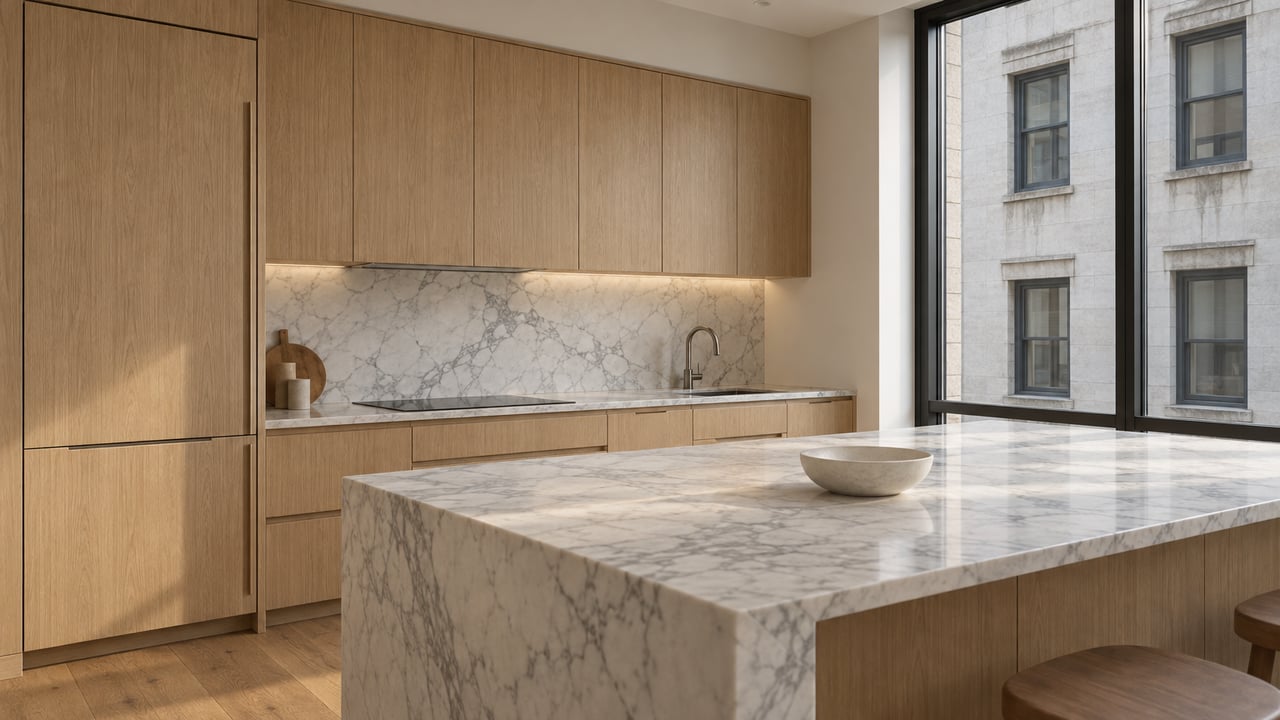
Based on NAR’s findings, put the most effort into:
If your budget is limited, start there. Those rooms often do the most work in photos and in buyers’ memory after a showing.
It can be tempting to over-improve before listing, especially in a neighborhood with beautiful architecture and high expectations. But in many Gramercy co-ops, the smarter path is a measured one. Buyers typically respond to a home that feels clean, functional, and easy to understand, not one that has been pushed into an ambitious pre-sale renovation.
A realistic prep plan usually means fixing what is visibly worn, presenting the apartment clearly, and understanding any building or landmark constraints before you commit to work. That approach can help you protect your timeline and avoid spending money where the return is uncertain.
If you are planning to sell in Gramercy, tailored guidance can make a meaningful difference, especially when co-op rules, presentation, and timing all intersect. For a discreet, data-driven strategy built around your apartment, your building, and the current Manhattan market, connect with Anna Coatsworth.


Get assistance in determining the current property value, crafting a competitive offer, negotiating a sale, and much more. Contact me today.