
Your West Village Living Guide to Everyday NYC Life
February 5, 2026
February 5, 2026
Picture yourself turning a corner onto a leafy block where rowhouses glow at golden hour and the Hudson is a five-minute stroll away. If that sounds like your kind of city life, the West Village may already be on your shortlist. You want charm without giving up convenience, and a neighborhood that feels intimate yet connected to everything. In this guide, you will learn how the West Village actually lives day to day, from streets and parks to housing types, commute rhythms, and smart tradeoffs to weigh. Let’s dive in.
The West Village is the western half of Greenwich Village in lower Manhattan, commonly understood as running from Houston Street up to 14th Street, and from the Hudson River east toward about Sixth or Seventh Avenue depending on the block. Boundaries can shift by source and longtime local usage, but the feel is consistent: village-scale streets, low-rise buildings, and an irregular grid that invites wandering.
History is part of daily life here. The area’s bohemian and artistic legacy is visible in small theaters, music spaces, and galleries nearby. The neighborhood’s LGBTQ history is central to its identity, with the Stonewall Inn on Christopher Street and a national monument designation recognizing its significance since 2016. Many blocks sit within New York City historic districts, which protects the look and scale of the streetscape.
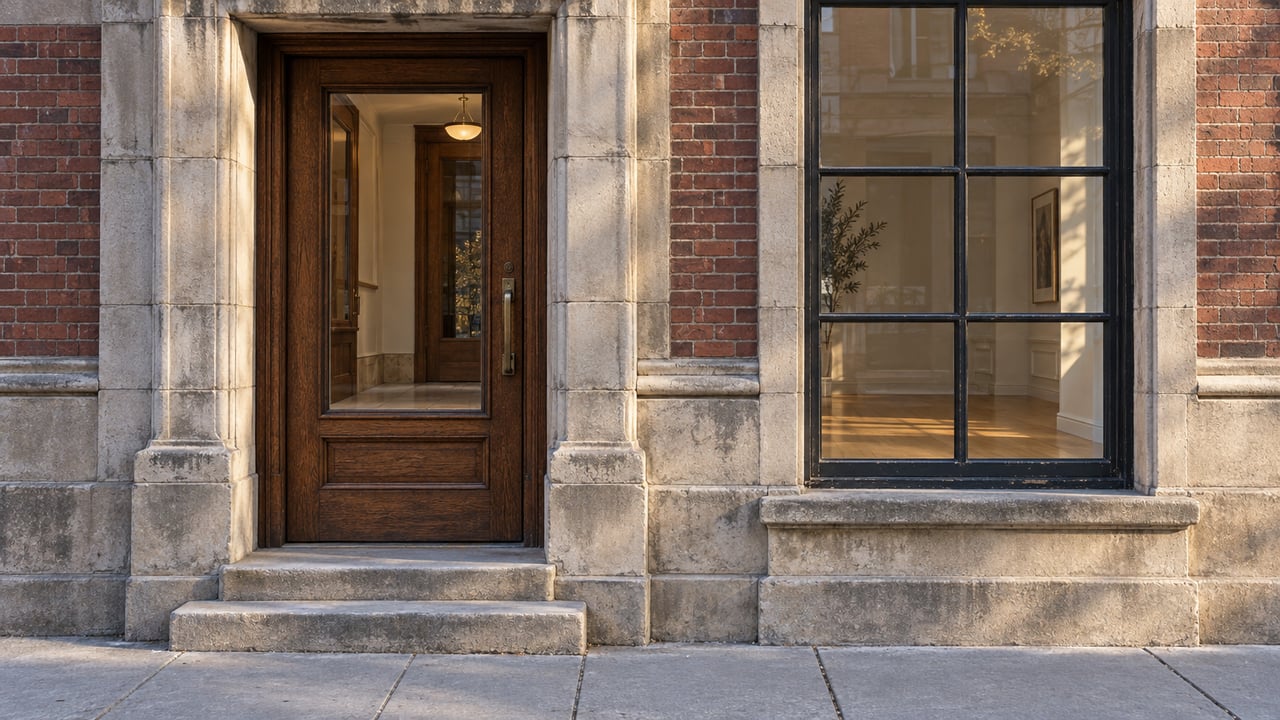
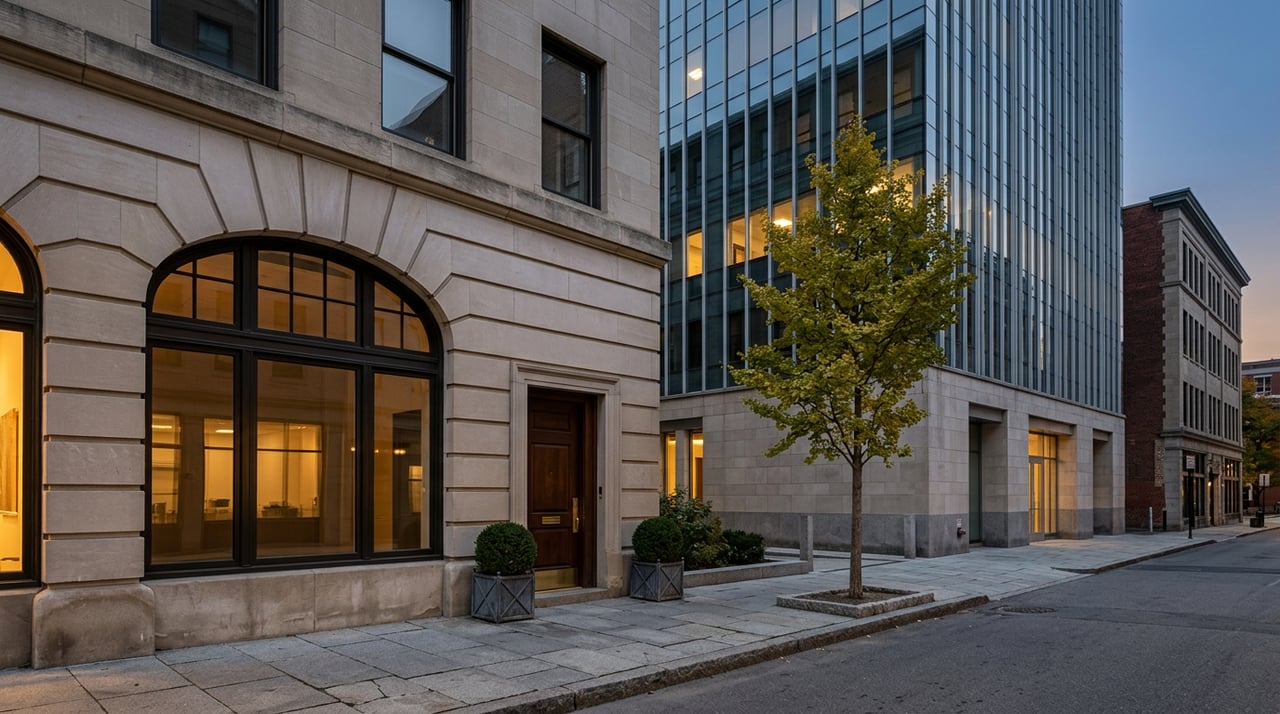
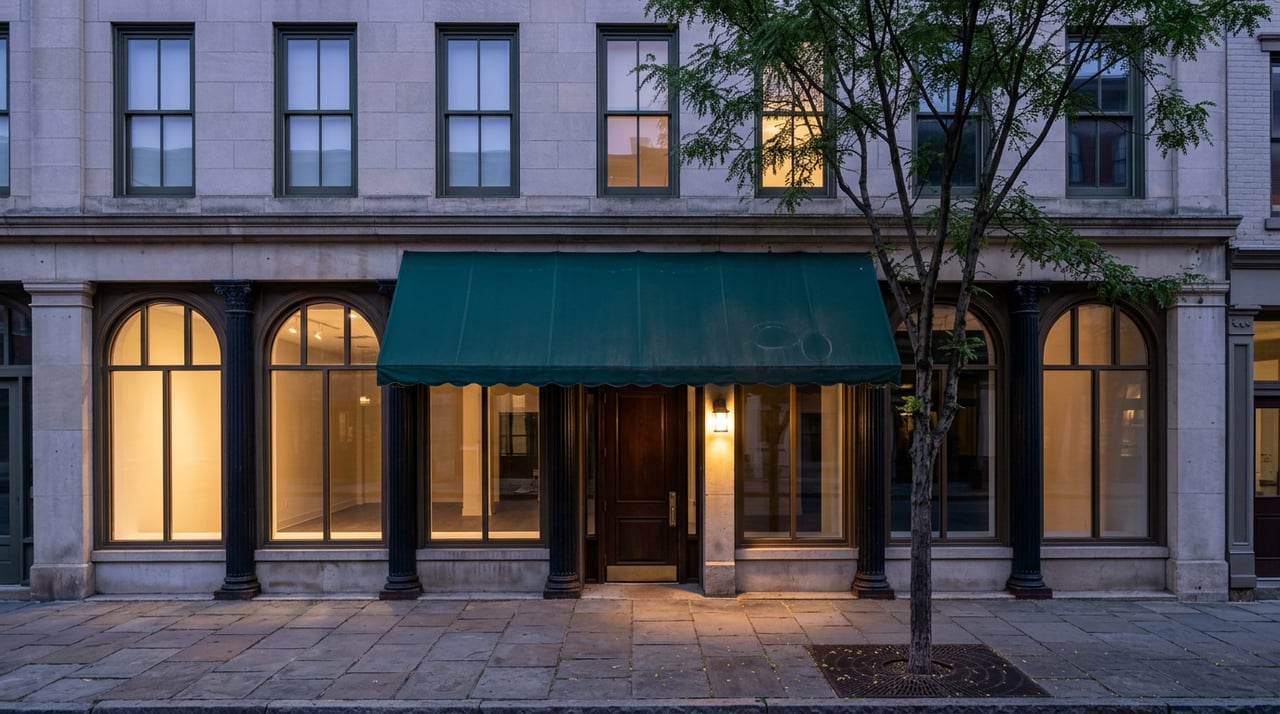
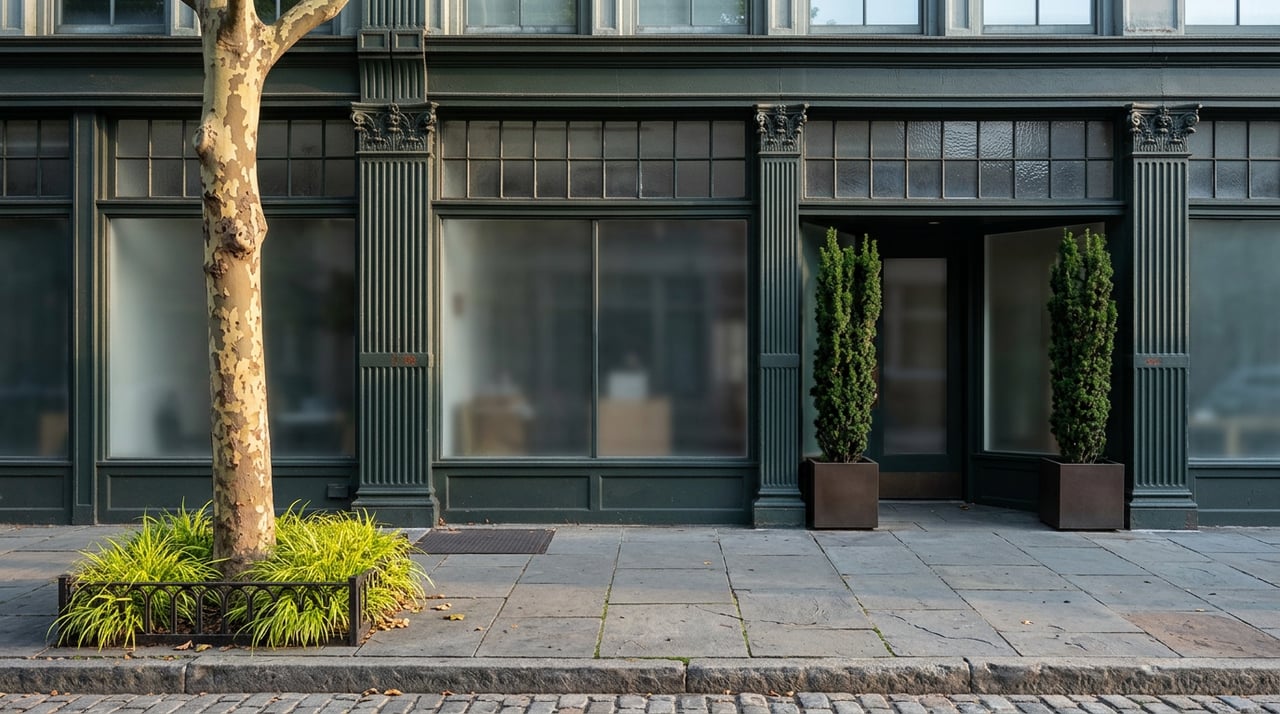
Walk a few blocks and you will see a mix of 19th-century townhouses, brownstones, classic walk-ups, and a handful of converted lofts and boutique condos. Architectural details like stoops, cornices, and cobblestone accents give the area a distinct “historic village” character. New development happens, but it is limited and tends to be small-scale infill or high-end conversions because landmark protections and lot sizes constrain large projects.
Public spaces are woven into the fabric of the neighborhood. Hudson River Park frames the western edge with waterfront paths, lawns, and seasonal programming. Within the grid, you have small, well-loved greens like Abingdon Square, Christopher Park, and the Jefferson Market Garden near the library. Commercial life clusters along Bleecker Street, Christopher Street, and West 4th Street, where you will find independent shops, cafes, and nightlife.
If you value independent dining and specialty shopping, you will feel at home. The West Village supports a wide range of restaurants, from neighborhood bistros and classic New York institutions to tasting menu spots and casual cafes. Specialty food shops and bakeries are common. Full-service groceries exist, though they are often more compact than suburban supermarkets, which is typical for dense Manhattan neighborhoods.
Nightlife tends to be intimate and low-key. You will find cocktail bars, small music rooms, and LGBTQ bars and clubs, with activity centered around Christopher Street and the surrounding blocks. The cultural scene includes theaters and off-Broadway venues in the broader Greenwich Village area, plus creative hubs like nearby artist residences and studios.
Walkability is a daily advantage. You can run most errands within a few blocks, and Citi Bike docks are plentiful. The neighborhood rewards an unhurried pace, whether you are out for coffee, heading to a show, or biking at sunset along the water.
The West Village gives you multiple ways to commute. Several subway lines and local bus routes run through or border the neighborhood, and walking or biking is realistic for many downtown jobs. Midtown is typically a 20 to 30 minute ride depending on your destination and transfers. Downtown commutes often clock under 20 minutes, and you have ferry options along the Hudson as well as PATH connections via nearby transfer points for New Jersey access.
Car ownership is low by design. Street parking is limited and regulated, and private garages are scarce and expensive. Many residents choose to live car-free, relying on transit, bikes, rideshare, and the neighborhood’s high walkability.
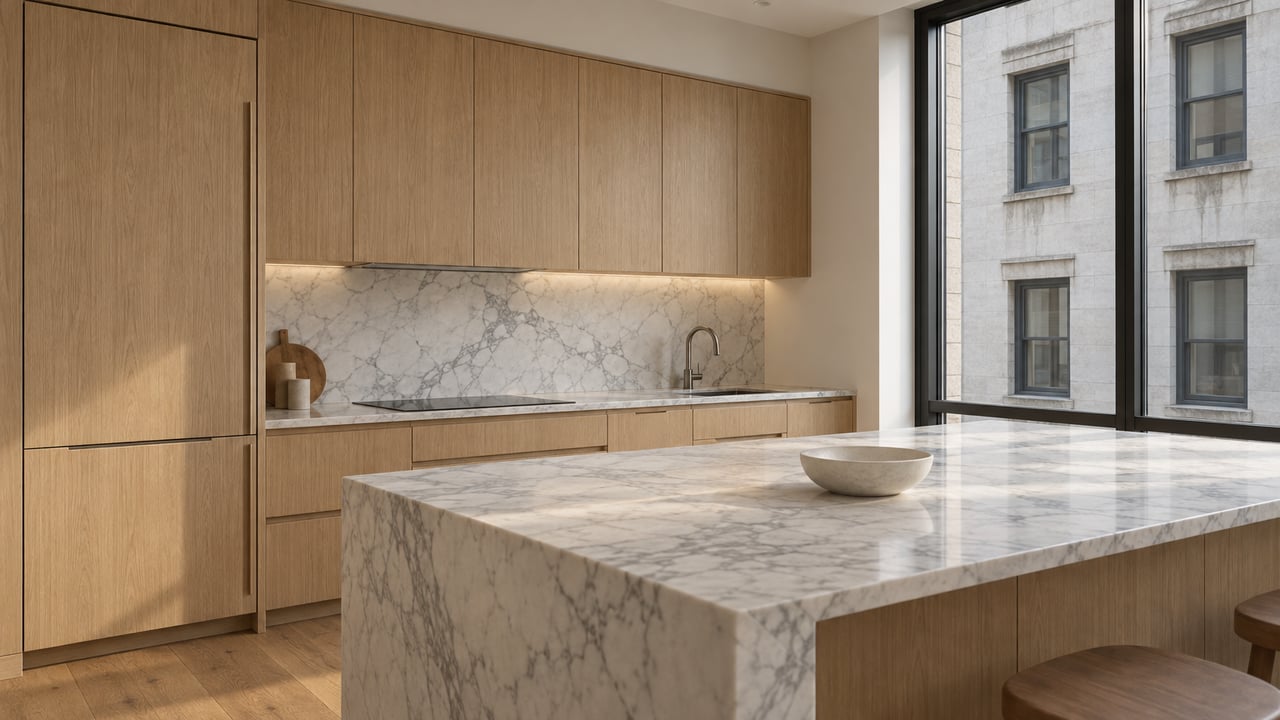
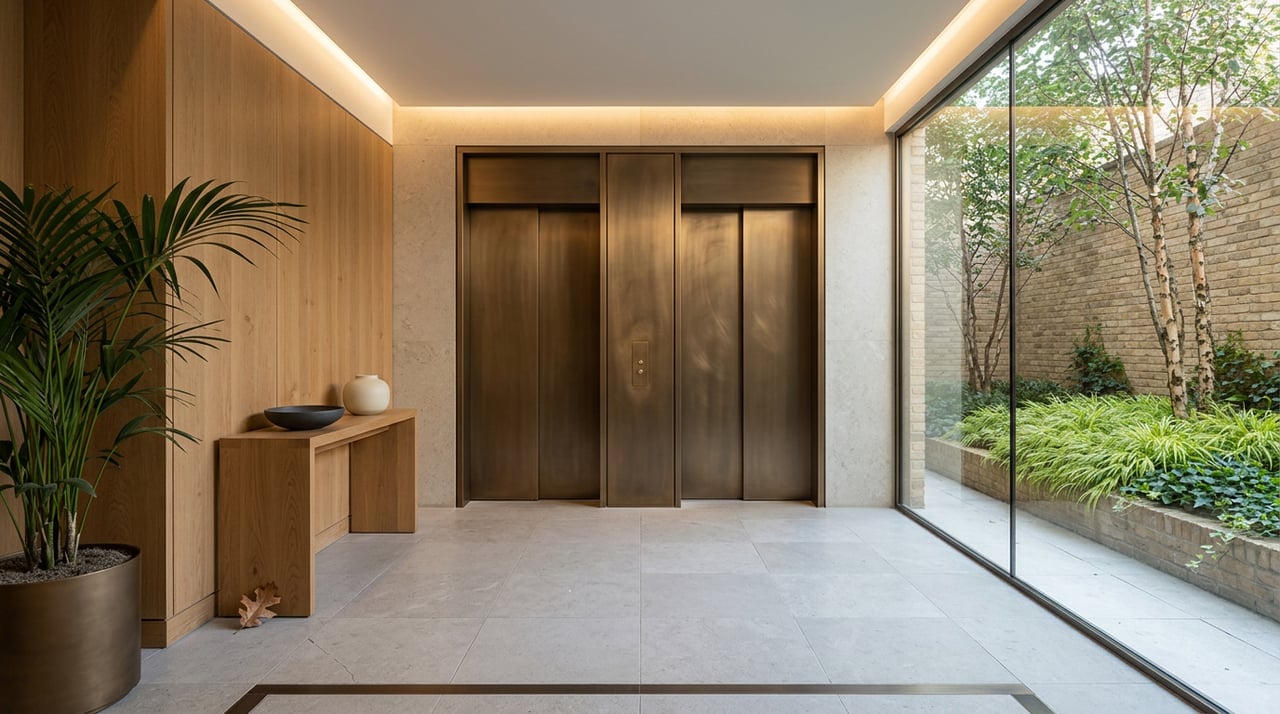
Housing stock leans older and charming. You will see many co-ops in pre-war or early 20th-century buildings, plus boutique condos and a selection of townhouses. Units skew smaller, with many studios and one-bedrooms and fewer large apartments. Family-sized homes exist, but they are less common and command a premium when they come to market.
The West Village works well for several buyer profiles:
If you are targeting a co-op, expect a thorough application process, board interviews, and financial requirements typical of Manhattan. Condos are generally more flexible, especially for part-time usage, but they are softer in supply and often price accordingly.
Both paths can make sense depending on your goals.
The West Village is a premium market with inventory constraints and prices above city averages. Conditions shift with broader economic cycles. For current numbers, review up-to-date market reports and recent comps for your specific block and building type.
There is a lot to love here. Strong walkability, historic streets, abundant dining and cultural options, and access to the waterfront define daily life. Transit to both downtown and midtown is straightforward, and services are close at hand.
You should also account for tradeoffs:
The West Village changes quickly as you move from one block to the next. Leafy, residential streets can feel secluded and quiet, while the next corner may open to a lively dining strip. The waterfront brings breezes and broad views, while the eastern edges knit into the denser fabric of Greenwich Village. Proximity to the Meatpacking District raises energy near the northern and western edges, but even close to nightlife you can find pockets that feel calm and residential.
If a serene pace is a priority, look a few blocks off the main corridors and visit at night and on weekends to confirm the sound profile you prefer.
Landmark protections preserve the neighborhood’s charm, which benefits long-term value and streetscape consistency. They also shape what you can change. Exterior alterations, additions, and new construction within designated districts typically require review. Interior work is more flexible but can be subject to building rules, especially in co-ops.
Before you commit to a renovation-heavy purchase, budget for professional design and permitting and build time into your schedule. For townhouses in particular, factor in façade and stoop restoration standards, and consult your team on energy, mechanical, and waterproofing upgrades that suit older envelopes.
A little planning goes a long way in the West Village.
Choose the West Village if you value character, walkability, and a neighborhood that feels personal yet connected to the best of downtown. It is a place where a morning coffee on a stoop and an evening ride along the river can bookend your day. If you need more space at a given price point, or if renovation complexity or nightlife energy are dealbreakers, you may want to widen your search while keeping a close eye on the right pocket here.
If you want seasoned guidance on co-ops, condos, or a townhouse in the West Village, connect with a local advisor who pairs market data with on-the-ground insight. For discreet, analytical help tailored to your goals, reach out to Anna Coatsworth. Request a Confidential Market Consultation.


Get assistance in determining the current property value, crafting a competitive offer, negotiating a sale, and much more. Contact me today.