Tribeca vs Battery Park City: A Guide for Families
March 5, 2026
March 5, 2026
Trying to decide between Tribeca and Battery Park City for your next family home can feel like a coin toss. You want space that works, schools you can count on, a reasonable commute, and a neighborhood rhythm that fits early bedtimes and busy weekends. In this guide, you’ll get a clear, side‑by‑side picture of housing, costs, schools, parks, noise, amenities, and transit so you can choose with confidence. Let’s dive in.
If you love historic lofts and walk-to-dinner energy, Tribeca checks those boxes. If you want planned green space, full-service buildings, and a calmer evening profile, Battery Park City (BPC) often delivers. Median sale prices capture much of this difference. StreetEasy’s neighborhood snapshots show Tribeca’s median near $3.5M while BPC’s is closer to $980K, reflecting very different housing stock and amenity profiles. You can review live neighborhood overviews for Tribeca and Battery Park City to see current figures.
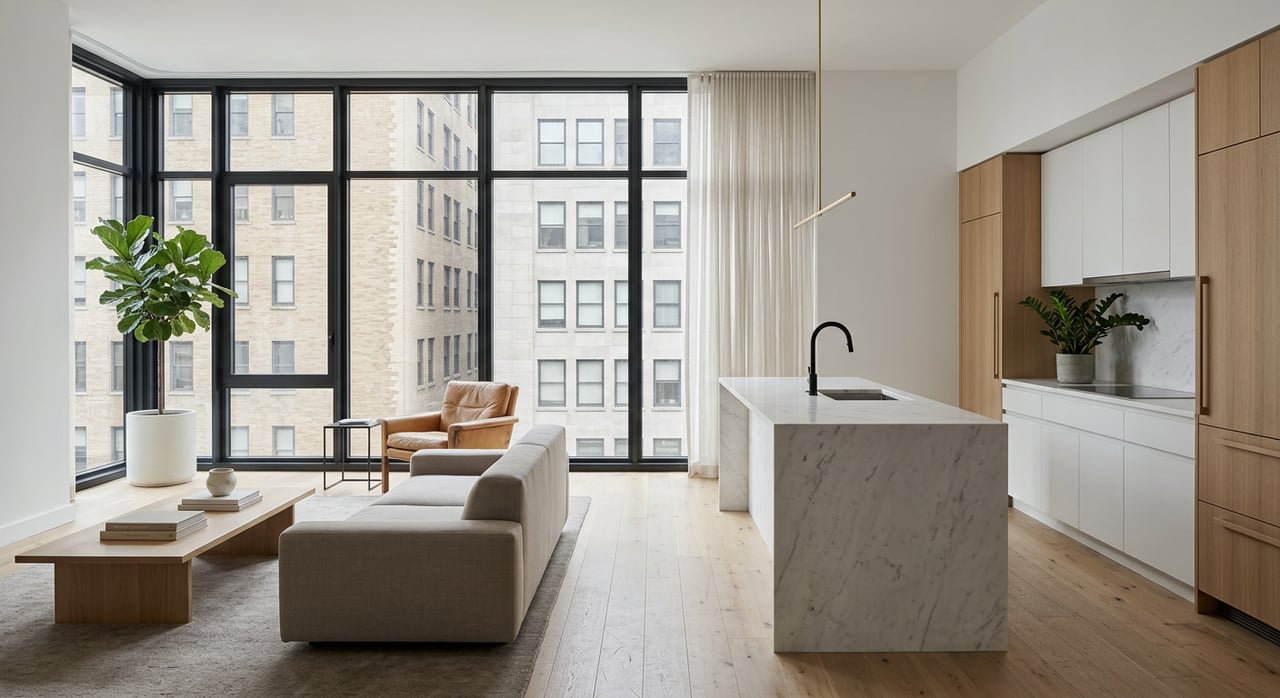
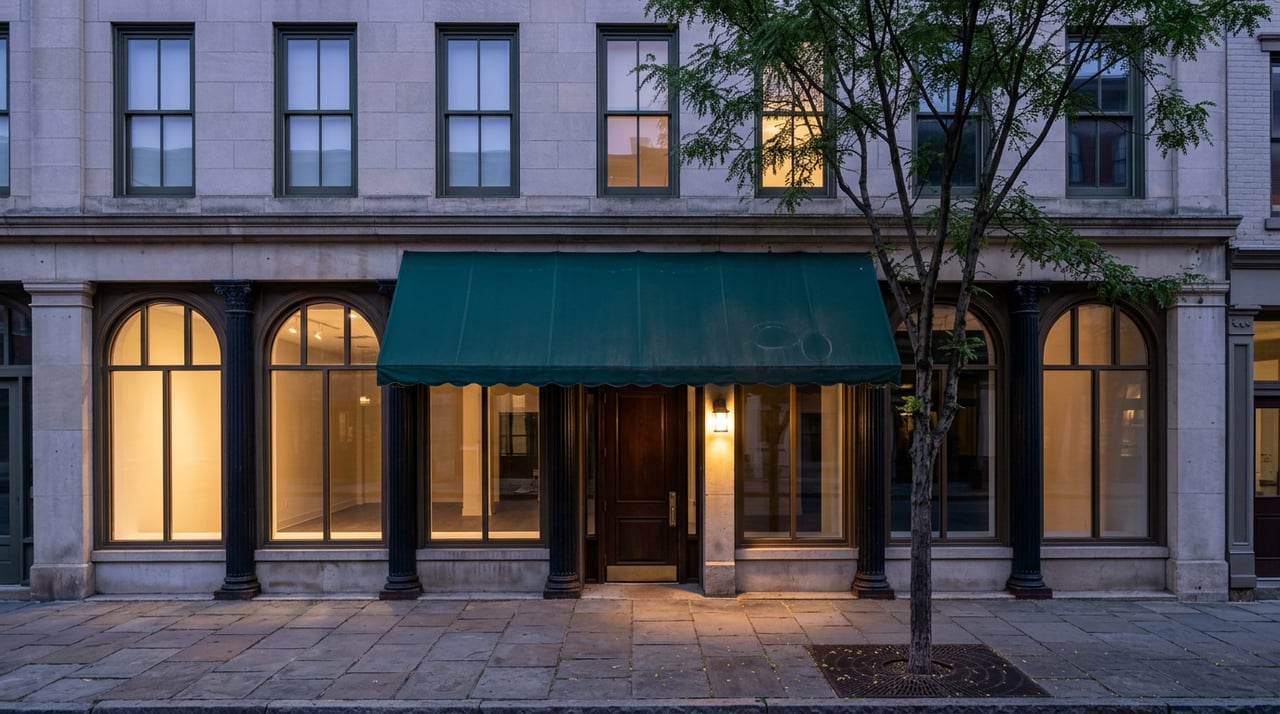
Tribeca’s core housing is converted warehouse lofts, landmarked cast-iron and brick buildings, boutique condos, and a handful of townhouses. Inventory is often one-of-a-kind, which makes pricing and comparables variable. Many classic loft and co-op buildings trade character and volume for fewer amenities, while newer luxury condos deliver full-service living at a premium. StreetEasy’s Tribeca page is a helpful snapshot for price context and housing mix.
BPC was built as a master-planned waterfront community, so you will see a high share of condominiums in mid- to high-rise towers with predictable finishes and services. Many buildings were programmed with families in mind, including larger two and three bedroom floor plans and kids’ playrooms. On most aggregator snapshots, BPC’s median sale price runs below Tribeca’s due to this different mix of inventory and scale. Review BPC’s neighborhood page for today’s figures and building types.
One structural difference matters for long-term costs. Many BPC condos sit on long-term ground leases and include PILOT charges, which are often wrapped into common charges. This can raise carrying costs and creates building-specific timelines for ground lease resets. Local reporting outlines how ground-lease and PILOT components affect predictability for owners, and why building-level due diligence is essential. If you are evaluating a BPC condo, read the background on cost structures and reset discussions in this ground-lease and PILOT explainer. In Tribeca, condos and co-ops follow more typical Manhattan tax and common charge patterns, though newer full-service buildings still command higher monthly fees for amenities.
Both neighborhoods have established public school options. Tribeca families often look to P.S. 234 (Independence School), with additional downtown choice programs like P.S. 150. You can review P.S. 234’s profile on InsideSchools for current information. In BPC, the core neighborhood schools include P.S./I.S. 276 (K–8) and P.S. 89, with I.S. 289 serving many local middle schoolers; the Battery Park City Authority lists neighborhood schools and contacts on its schools page. P.S./I.S. 276’s InsideSchools profile offers a useful overview as well.
Performance snapshots in recent years show these schools are well-regarded locally, and they often appear positively in parent resources. Admissions rules and zones can change, and popular programs may have waitlists. For a specific address, verify the current zoned school with NYC DOE tools and confirm admissions priorities with the school directly.
You will find a wide range of private preschools and daycare centers in both neighborhoods. BPC families benefit from frequent, programmed activities through the parks network, while Tribeca families tap into downtown cultural and kids’ program options. Capacity and waitlists move fast, so start conversations early and track program timelines alongside your housing search.
BPC dedicates a large share of its footprint to parks and public space. The Battery Park City Authority catalogs a deep network that includes Teardrop Park, Rockefeller Park, the Esplanade, ballfields, and smaller plazas. These areas host seasonal and weekly programming that is popular with families. Explore the breadth of options on the BPCA’s parks and places overview. For a household that wants multiple playgrounds and ballfields within a few minutes’ walk, BPC is a strong fit.
Tribeca combines historic blocks with excellent waterfront recreation through Hudson River Park. Pier 25 is a standout for families, with a large playground, mini golf, and a turf field that runs seasonally. You can preview the offerings at the Hudson River Park Pier 25 playground. Within the neighborhood, Washington Market Park anchors community programming and play. For many buyers, this blend of character and waterfront access checks the right boxes.
Day-to-day feel matters, especially with kids. Third-party analyses that aggregate 311 noise complaints show Tribeca has a higher volume of noise complaints per capita than BPC, which aligns with its busier restaurant and nightlife profile. BPC, by contrast, is commonly described as quieter after dark. For a data point on relative quiet and where complaints cluster, review this CityRealty analysis of 311 noise patterns. It is still smart to walk blocks you are considering at school drop-off time and on weekend afternoons to gauge the fit for your routine.
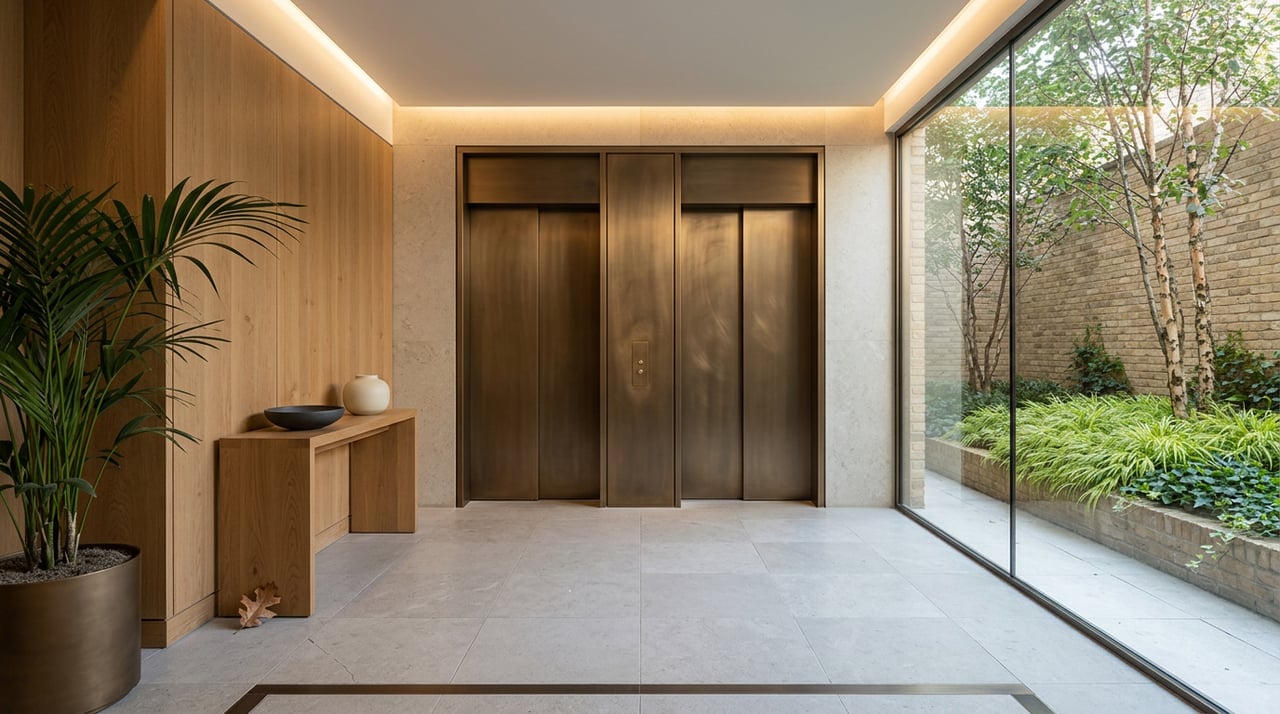
BPC buildings commonly include doormen, concierge, gyms, kids’ playrooms, and on-site management that simplifies packages and repairs. Many buildings also plug into community centers or nearby pools. Tribeca offers a mix. Historic lofts and many co-ops may skip the big amenity packages, while new luxury condos deliver full services at higher price points. If you want a turnkey, amenity-rich setup with consistent offerings, BPC towers are reliable. If you value distinctive architecture, dramatic ceiling height, and sometimes private outdoor space, Tribeca’s lofts and townhouses are compelling, with amenity trade-offs to match.
Tribeca is prized for its quick access to multiple subway lines around Lower Manhattan. StreetEasy highlights this subway coverage as a core neighborhood perk on the Tribeca overview. BPC does not have a subway station within its boundaries, yet it connects by enclosed walkways and short walks to the World Trade Center and Fulton Street hubs, Rector Street, and the Financial District PATH and ferry. For a map-level look at how the neighborhood is laid out, see the Battery Park City overview. Internally, BPC is very walkable and the free Downtown Connection bus helps with short hops. If you need a train at your front door, Tribeca has the edge. If a predictable, 5 to 10 minute walk to big transit nodes works for you, BPC can be equally practical.
Lower Manhattan continues to add residential supply through office-to-residential conversions and select new developments. The near-term effect is often more studios and one bedrooms, which can improve choice at entry points and influence pricing dynamics. Families focusing on larger two and three bedroom homes should monitor how new inventory affects negotiation leverage and days on market.
In BPC, ground-lease and PILOT structures are a continuing governance item. Building-specific reset windows and negotiated amendments can change cost outlooks for owners. If you are comparing a BPC condo to a Tribeca condo, include a detailed review of common charges, ground rent, PILOT, and recent building budgets in your evaluation.
Use this quick list to compare specific listings and blocks, then decide which neighborhood fits best.
Choose Tribeca if you want character-rich loft living and quick subway access, and you plan to use Hudson River Park and neighborhood spots like Washington Market Park frequently. Expect higher purchase prices, with variation across classic lofts, co-ops, boutique condos, and townhouses.
Choose Battery Park City if you value extensive parkland outside your door, full-service buildings with family-minded amenities, and a quieter evening profile. You will likely see lower headline prices than Tribeca for many unit types, balanced by building-specific carrying costs that include ground rent and PILOT.
If you are balancing a multi-variable equation that includes cost, schools, lifestyle, and commute, a short list of listings in each neighborhood plus block-level visits will make the choice obvious. For a data-driven, confidential strategy session on your options, connect with Anna Coatsworth to Request a Confidential Market Consultation.



Get assistance in determining the current property value, crafting a competitive offer, negotiating a sale, and much more. Contact me today.