
Sell Your West Village Apartment With Smarter Pricing
July 9, 2026
July 9, 2026
Wondering why one West Village apartment attracts immediate interest while another lingers, even when both seem similar on paper? In this neighborhood, buyers are paying attention to much more than square footage, and small differences in pricing and presentation can have an outsized impact. If you want to sell well, you need a launch strategy built on precise comparables, realistic positioning, and a clear understanding of what buyers value here. Let’s dive in.
West Village remains a premium market, but it is also a selective one. As of May 2026, Realtor.com reported 236 homes for sale, a median listing price of $1,798,000, a median list price per square foot of about $2.6K, a median of 56 days on market, and homes selling at 98% of asking on average. It also classified the neighborhood as a buyer’s market.
Those numbers matter, but they do not tell the full story. PropertyShark’s May 2026 closed-sale snapshot showed a median sale price of $1.2M, a median price per square foot of $2,545, and 25 transactions, with condos at a $4.3M median and co-ops at $825K. That gap is a strong reminder that West Village pricing is highly sensitive to property type and unit mix.
At the Manhattan level, Corcoran’s Q1 2026 report adds useful context. Closings rose 1% year over year to 2,757, sales volume reached $6.2B, inventory sat at just over 6,000 units, median price was about $1.28M, price per square foot was $1,972, and days on market were 110. The broader takeaway was simple: well-priced, move-in-ready homes are moving, while overreaching listings tend to sit.
A West Village seller can easily get pulled off course by headline numbers. A median listing price of $1.798M, a closed-sale median of $1.2M, and borough-wide median pricing of about $1.28M may sound inconsistent, but they are mostly measuring different things. Active listings, closed sales, and borough-wide trends each tell part of the story.
What matters for your apartment is not the neighborhood average. It is how your home compares to the buyers’ actual alternatives at the moment you launch. In West Village, that comparison needs to be narrow, disciplined, and highly specific.
West Village is not a plug-and-play market. The Greenwich Village Historic District, designated in 1969, includes more than 2,000 buildings across 65 blocks, and that historic setting influences how buyers respond to a home. They are often evaluating not just the apartment itself, but also the building, the block, the light, the quiet, and how the home fits into its surroundings.
That is one reason pricing here can vary so sharply from one listing to the next. Buyers may see meaningful differences between a home on a quiet landmarked block and one near a busier commercial corridor, even if the square footage is similar. In West Village, block-level context matters.
Because the neighborhood has so many historic walk-ups, elevator access can be a major value divider. A full-service elevator condo should not set the pricing tone for a walk-up co-op, even if both are nearby. The services, access, and buyer pool are simply different.
This is especially important when you review sales casually online. If your apartment is in a walk-up building, your comp set should reflect similar stairs, services, and buyer expectations. Otherwise, your asking price can drift away from what the market will support.
Outdoor space is scarce in West Village, and buyers notice it quickly. A terrace, balcony, roof deck, or garden access can make a listing feel meaningfully different from the competition. That feature should be priced and presented as its own value driver.
It also needs to be described clearly. Buyers respond better when they understand exactly what the outdoor space offers, how it connects to the apartment, and how usable it feels in daily life.
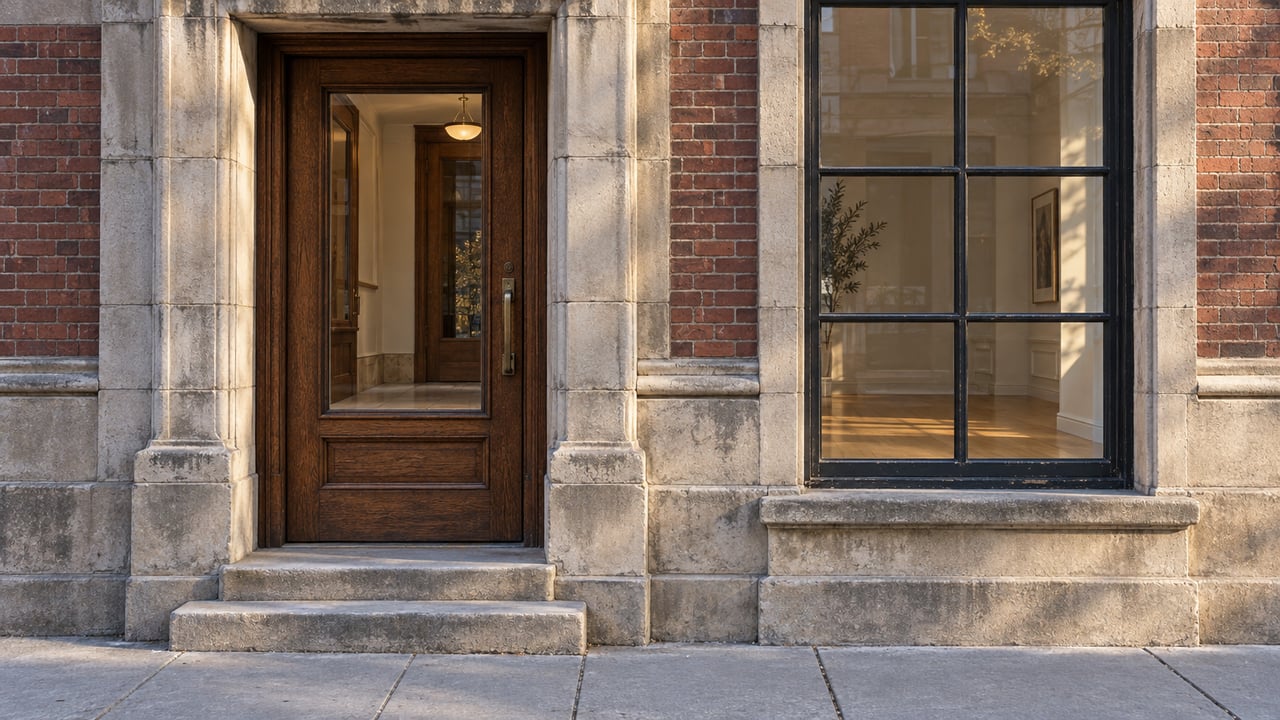
Original moldings, fireplaces, tall windows, and classic prewar proportions remain important value points in this neighborhood. These details often help buyers connect emotionally to a home, especially in a market known for architectural character. They should be cleaned, highlighted, and allowed to read clearly in photos and showings.
The same is true for street character. Streets near Greenwich Avenue can feel distinct from other parts of the neighborhood, and buyers often react to those differences immediately. That is why street-by-street positioning can be just as important as in-unit upgrades.
The best pricing framework for a West Village apartment starts close and stays disciplined. The comp hierarchy should typically follow this order:
This approach matters because the range of sale prices in West Village is wide. Recent sold examples referenced in the research ranged from $660,000 at 56 Jane St 2A to $1,075,000 at 327 W 11th St 4E, $1,750,000 at 61 Jane St 14K, and $2,200,000 at 302 W 12th St 10H. Those are not small differences, and they show why broad neighborhood averages are too blunt to set a smart asking price.
A useful way to think about pricing is to split adjustments into two buckets. The first is structural value, and the second is presentation and condition. Both matter, but they do not carry the same weight.
Structural value usually includes:
Presentation and condition usually includes:
In West Village, the structural bucket can move value materially. Presentation helps refine and support the price, but it should not be used to justify a number that the comps do not support.
In a market where homes are selling at 98% of asking on average and median days on market are 56, your initial price matters a great deal. Buyers tend to make quick judgments when a new listing appears. If the pricing feels ambitious relative to its direct competition, you may lose the strongest early interest.
That first launch window is important because it is when your apartment feels freshest to the market. A well-judged asking price can create momentum and encourage serious tours. An inflated one can lead to hesitation, longer market time, and later price adjustments that weaken your negotiating position.
For many West Village sellers, this is where a data-driven advisor adds real value. A disciplined launch price is not about leaving money on the table. It is about meeting the market where qualified buyers are willing to act.
The strongest West Village listings do not rely on vague luxury language. They tell buyers exactly what kind of home they are looking at, what features are scarce, and why the price makes sense relative to recent sales. Clear positioning helps buyers understand value faster.
That means your marketing should answer a few core questions right away. Is this a quiet prewar co-op with original detail? A polished condo with elevator access? A charming walk-up with exceptional light and private outdoor space? Buyers should know the story immediately.
According to the 2025 NAR staging report, 29% of agents saw a 1% to 10% increase in offered value from staging, and 49% saw shorter market time. The same report found that buyers responded most strongly to staged living rooms, primary bedrooms, and kitchens. It also reported that 83% of buyers’ agents said staging made it easier for buyers to envision the property as their future home.
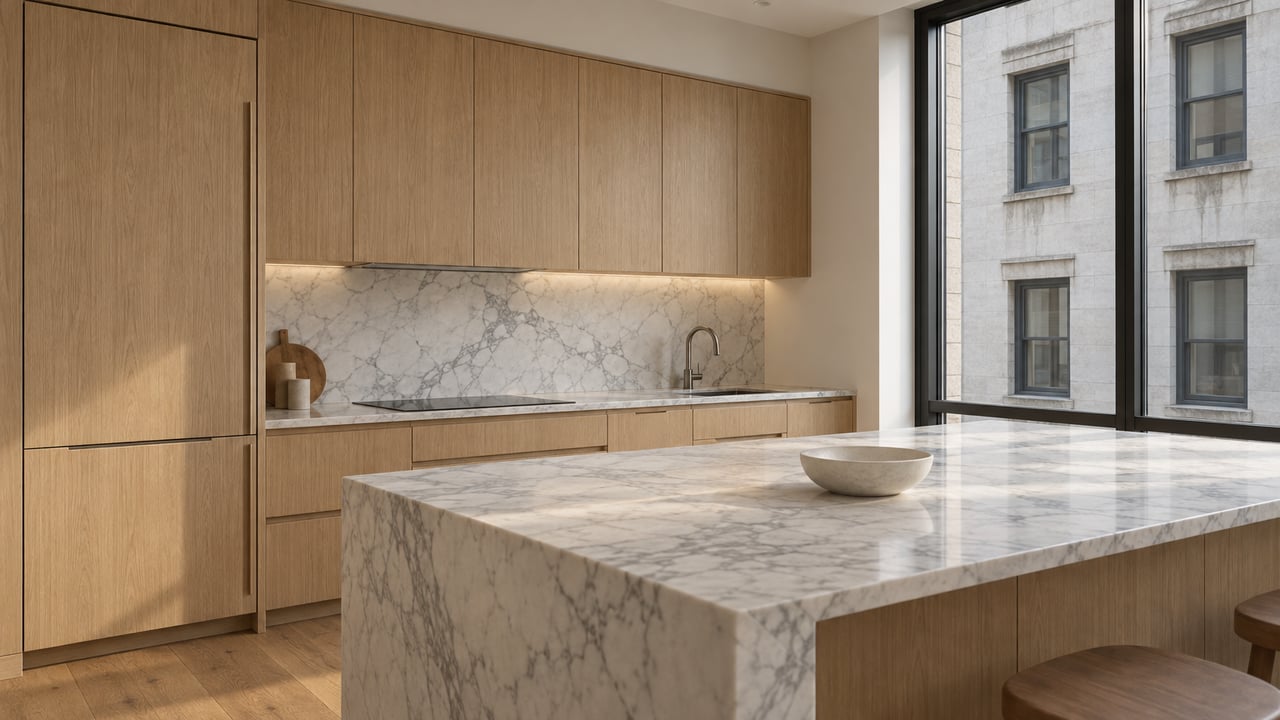
For your apartment, that points to a practical plan. Declutter, deep clean, repaint where needed, and simplify furniture so each room reads clearly. Buyers should see usable space, easy flow, and a home that feels calm rather than crowded.
Photos need to do more than look attractive. They need to support the apartment’s value by showing how the space lives. In West Village, that often means emphasizing room sequence, light, ceiling height, architectural details, and any outdoor extension of the living space.
If you have outdoor space, stage it like an extra room. If you have historic details, make sure they are polished and visually legible. If your apartment is a walk-up, the goal is to make the interior memorable enough that buyers focus on the home itself, not just the stairs.
One of the fastest ways to misprice a West Village apartment is to mix condo and co-op comps too loosely. The May 2026 PropertyShark medians showed condos at $4.3M and co-ops at $825K. That spread is too large to ignore.
Neighborhood-level medians can offer context, but they should not drive the asking price. In a mix-sensitive market, they can create false confidence and lead to overpricing.
A stylish renovation helps, but it does not erase structural differences like floor, building type, or lack of elevator access. Buyers usually notice both the beauty and the tradeoffs.
If your apartment has scarce features, such as quiet exposures, private outdoor space, or strong historic character, your marketing should explain that clearly. Buyers do not always assign value to a feature unless the listing helps them see it.
Selling well in West Village is rarely about chasing the highest possible number at launch. It is about aligning the apartment’s pricing, presentation, and market position so buyers can understand the value quickly and act with confidence. In this neighborhood, that discipline often produces a better result than an aspirational strategy.
With the right comparables, thoughtful preparation, and a polished launch, your apartment can compete on its real strengths. That is especially true in a market where buyers are selective, informed, and quick to compare one listing against the next.
If you are thinking about selling in West Village and want a discreet, data-driven strategy, Anna Coatsworth can help you evaluate pricing, positioning, and next steps with care.


Get assistance in determining the current property value, crafting a competitive offer, negotiating a sale, and much more. Contact me today.