Chelsea Art and High Line Living in Modern Chelsea
May 28, 2026
May 28, 2026
Ever wonder why Chelsea feels so distinct from other Manhattan neighborhoods? The answer is not just the High Line itself, but the way that one elevated rail line reshaped development, street life, architecture, and daily routines across the west side of the neighborhood. If you are considering a move to Chelsea or simply want to understand what defines modern Chelsea living, this guide will show you how the High Line helped create the neighborhood you see today. Let’s dive in.
The High Line began as an elevated freight rail structure on Manhattan’s West Side. It opened for trains in 1934, was abandoned in 1980, and later reopened to the public in phases in 2009, 2011, and 2014. Today, it stretches 1.45 miles and is stewarded by Friends of the High Line with NYC Parks.
What matters for Chelsea is that the project did more than preserve an old structure. It turned a former industrial corridor into a public promenade with seating, plantings, art, and city views. That transformation helped change how people move through the neighborhood and how they experience the west side of Chelsea.
Unlike a traditional park, the High Line is narrow and elevated. It functions more like a linear walkway than a large green lawn, which gives it a very specific effect on neighborhood life. You are not just visiting a park. You are moving through architecture, streetscapes, and public space at the same time.
That design matters because it helped make West Chelsea feel curated, walkable, and visually connected. As a result, the High Line became both a destination and a framework for how nearby blocks developed. In many ways, it gave Chelsea a new public front door.
The High Line was a catalyst, but zoning is what translated that energy into a lasting development pattern. The City created the Special West Chelsea District to support a mixed-use neighborhood, encourage residential development on former manufacturing land, support arts-related uses, and create a transition between the Chelsea Historic District and Hudson Yards.
That planning shift was significant because much of West Chelsea had previously been zoned M1-5 industrial, where residential use was not permitted. Once the land-use framework changed, the area could evolve in a more residential and mixed-use direction. That is a major reason modern Chelsea includes both housing and commercial uses along the corridor today.
The rezoning did not simply allow more building. It also introduced rules about building form, access, and how new construction should relate to the High Line itself. In practical terms, that helped create a more intentional relationship between the park and adjacent development.
If you walk Chelsea today, you can see that planning legacy clearly. The neighborhood often feels organized around the High Line, with newer buildings, adapted industrial properties, and pedestrian activity all responding to the park’s presence.
One of the most important parts of Chelsea’s identity is its industrial building stock. Even before the area fully shifted, zoning documents noted that many buildings along the corridor had already been converted to retail or office use. That set the stage for the layered mix you see now.
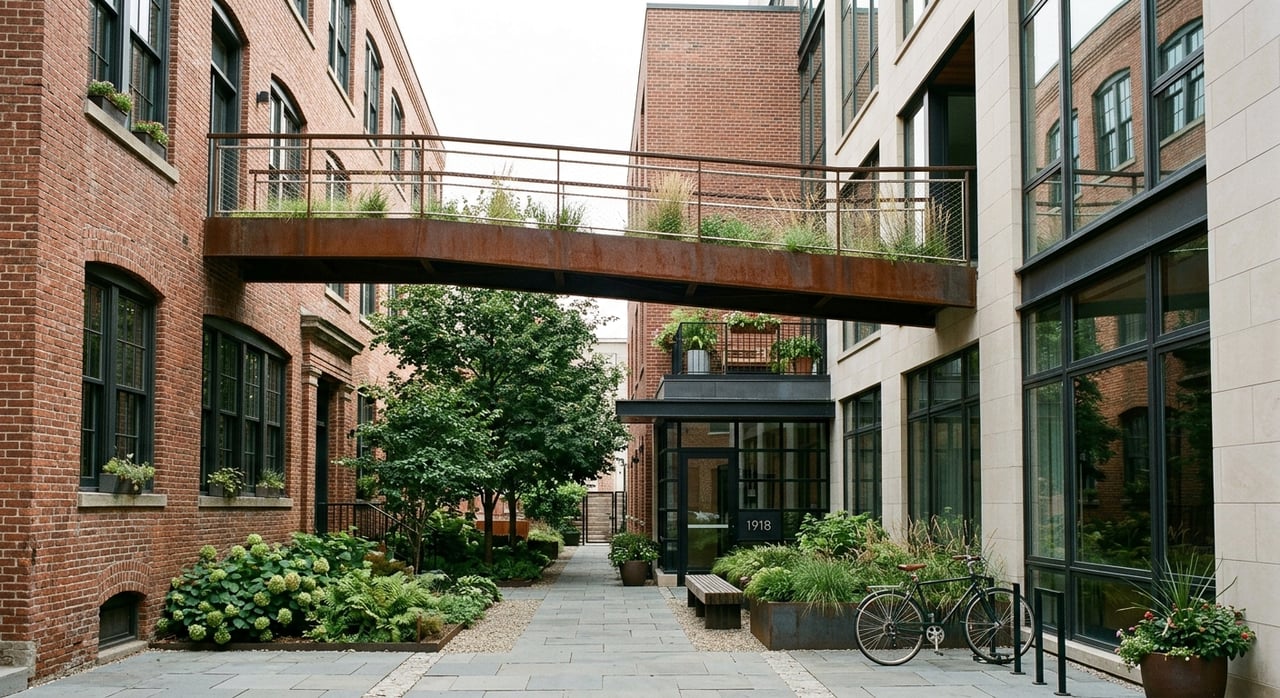
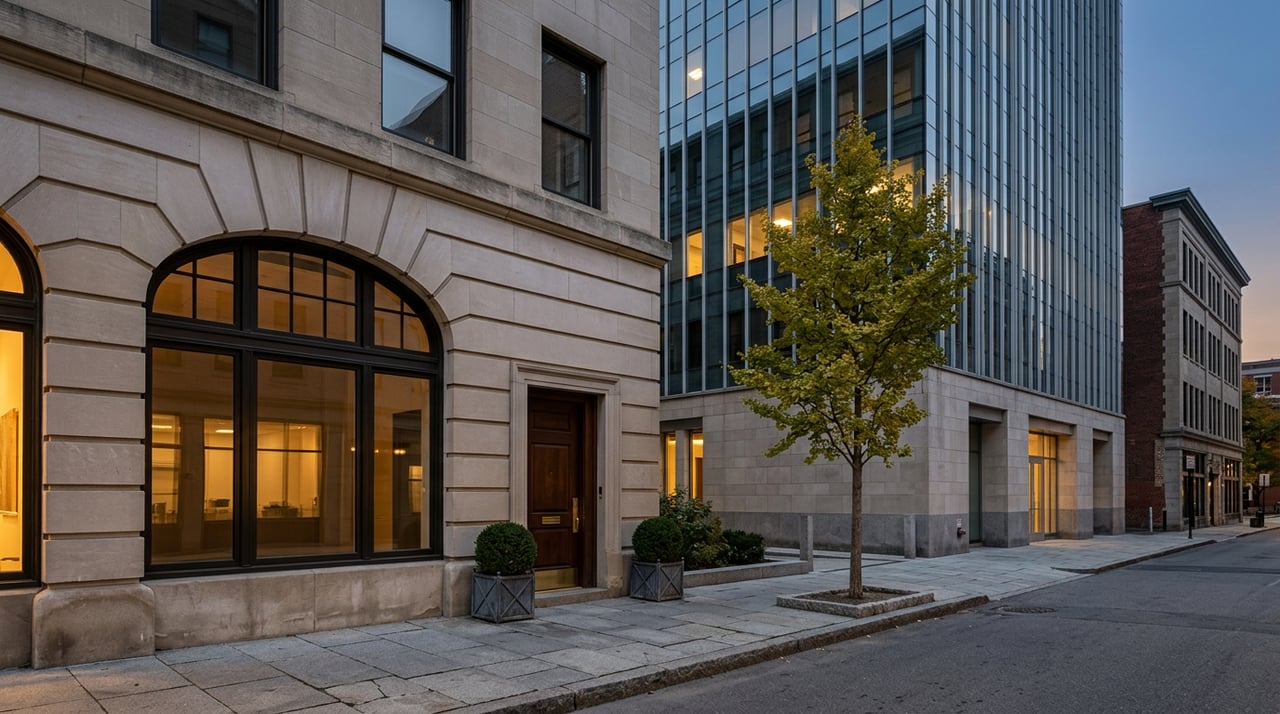
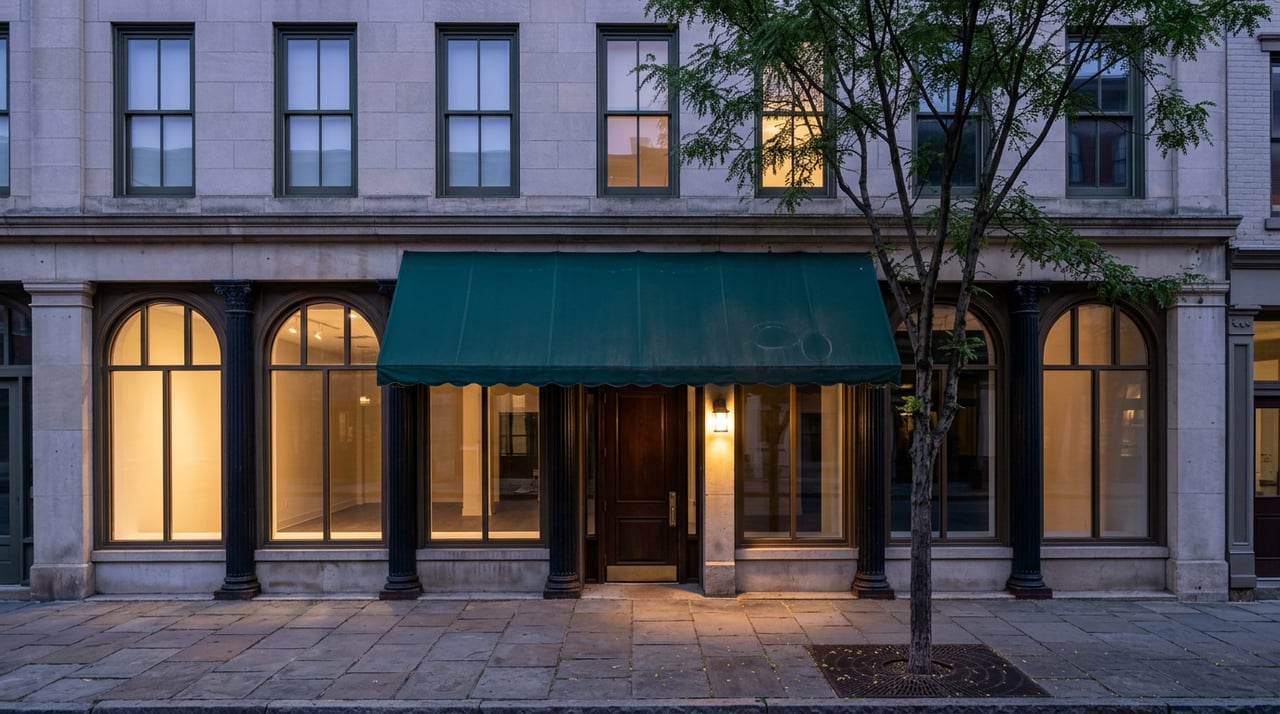
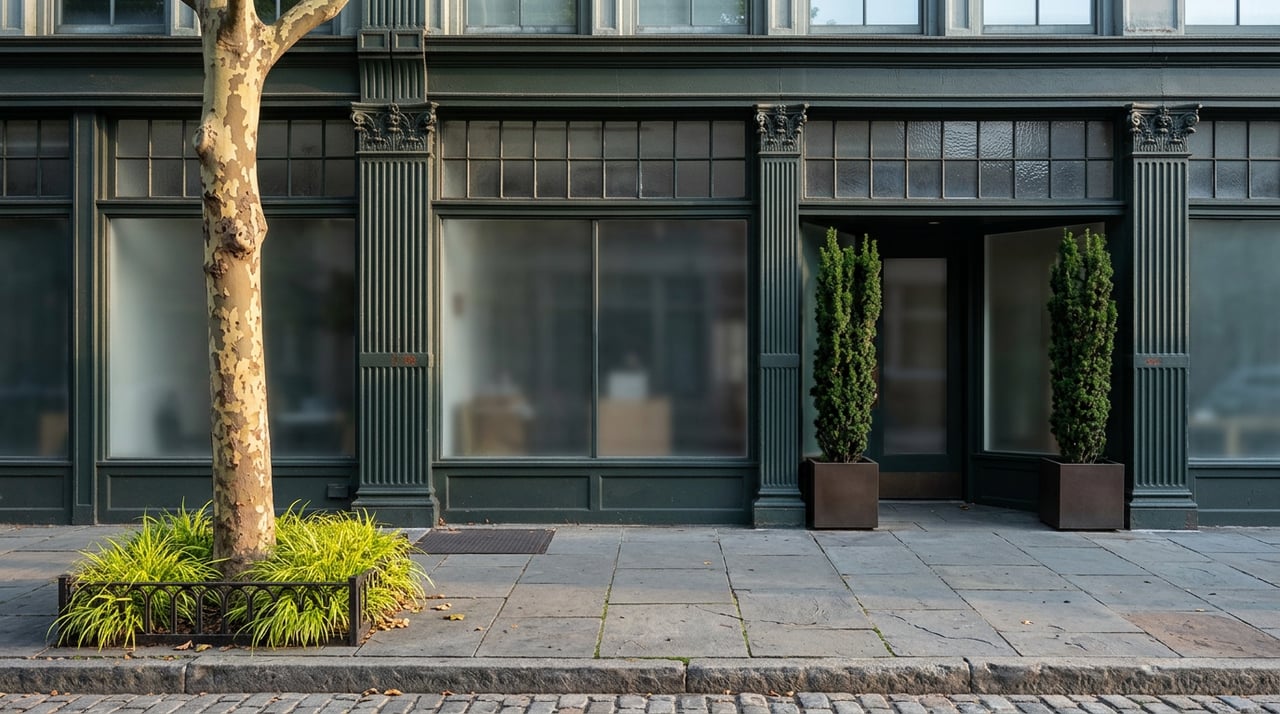
This is why Chelsea can feel polished and warehouse-like at the same time. Older loft and warehouse buildings remain part of the streetscape, while newer residential and mixed-use projects add a more contemporary edge. For buyers and sellers, that mix is a big part of Chelsea’s appeal.
Modern Chelsea is often associated with a combination of converted lofts, former warehouse buildings, newer residential development, and mixed-use projects near the High Line. That housing mix reflects the neighborhood’s planning history rather than a single architectural style.
For you as a buyer, that means Chelsea can offer very different living experiences within a relatively compact area. Some homes feel rooted in adaptive reuse and industrial scale, while others feel more contemporary and closely tied to recent development around the park corridor.
Chelsea’s gallery district is not separate from the High Line story. It grew from the same industrial framework that made the area attractive for adaptive reuse in the first place. Large former warehouse and loft spaces proved well suited to galleries and art-related businesses.
The Landmarks Preservation Commission notes that the West Chelsea Historic District remains a thriving gallery district, with more than 50% of its buildings dedicated to galleries and art-related businesses. That is an important reminder that Chelsea’s arts identity is still very much part of the neighborhood today.
The gallery presence affects more than commercial use. It shapes the visual rhythm of the neighborhood, especially on interior streets where large, light-filled spaces and industrial shells remain part of the character.
Gallery migration from SoHo to Chelsea helps explain why the area still feels so tied to design, openness, and creative reuse. Over time, that identity became part of the broader appeal of living in Chelsea, even for residents who are not directly involved in the art world.
If you are thinking about Chelsea as a place to live, it helps to look beyond the High Line itself. The neighborhood’s west side also connects to Hudson River Park, where Chelsea’s section runs from West 17th to West 34th Street. This section includes Chelsea Piers, Chelsea Waterside Park, Pier 62’s carousel and skatepark, sailing, kayaking, lawns, athletic fields, and riverfront open space.
That matters because Chelsea offers a rare combination of elevated park access and waterfront recreation. The broader Hudson River Park runs four miles along Manhattan’s west side and attracts more than 17 million visits a year, giving Chelsea residents another major layer of public space and activity.
Chelsea Market contributes a different kind of energy. Its history is tied to the former National Biscuit Company factory, the old wholesale meat district, and the High Line area’s broader adaptive-reuse story. Today, it functions as a food and retail destination that draws substantial foot traffic.
Chelsea Market reports 6 million visitors annually, which helps explain the activity level around the southern part of Chelsea. If you spend time in this area, you will likely notice that the neighborhood can feel especially busy around the High Line, Chelsea Market, and nearby waterfront access points.
Taken together, these elements create a neighborhood that feels design-led, active, and highly walkable. Chelsea is not defined by one feature alone. It is the combination of the High Line, adaptive reuse, gallery density, food destinations, and waterfront access that shapes the modern experience.
For many buyers, that translates into a lifestyle centered on architecture, cultural activity, and low-maintenance city living. For sellers, it means that Chelsea’s value story often depends on understanding exactly where a property sits within that broader neighborhood ecosystem.
If you are buying in Chelsea, it helps to pay attention to how different blocks function day to day. Areas close to the High Line, Chelsea Market, and Hudson River Park often experience more foot traffic and a more destination-oriented feel. Interior streets may read as more residential or gallery-focused, even within the same broader neighborhood.
If you are selling, that same nuance matters when positioning a property. A home near the High Line may appeal for its proximity to one of Manhattan’s most recognizable public spaces, while another may draw interest because it feels quieter or more tied to the neighborhood’s loft and gallery character.
In a market like Manhattan, those distinctions are not just aesthetic. They affect how buyers perceive use, lifestyle, and long-term value. That is where careful, neighborhood-specific analysis becomes especially important.
Chelsea’s evolution also shows why broad labels rarely tell the full story. The High Line changed the neighborhood, but it did so alongside rezoning, adaptive reuse, and a strong arts presence that remains visible today. Understanding that full picture gives you a more accurate view of what modern Chelsea living really means.
If you are evaluating a Chelsea purchase or preparing to position a property for sale, working with an advisor who understands both the neighborhood’s history and its current market dynamics can make the process far more strategic. To discuss Chelsea and the broader Manhattan market with a discreet, data-driven perspective, connect with Anna Coatsworth.


Get assistance in determining the current property value, crafting a competitive offer, negotiating a sale, and much more. Contact me today.