Is Nolita Pied-a-Terre Living Right for You?
June 11, 2026
June 11, 2026
If you want a Manhattan home base without the scale or formality of a larger residential district, Nolita deserves a close look. For part-time New Yorkers, the appeal is easy to understand: a compact footprint, lively street life, and multiple subway options within a few blocks. The key is knowing what Nolita does well, and what tradeoffs come with that convenience. Let’s dive in.
Nolita is a small pocket of lower Manhattan, generally bounded by Lafayette Street and the Bowery, and Broome and East Houston Streets. That compact size matters if you are not in the city every day. It can feel more manageable than a broader neighborhood where daily routines stretch across many blocks.
For a part-time owner, that smaller scale supports a practical lock-and-leave lifestyle. You can step out your door and quickly reach dining, shopping, and transit without needing much local planning. In a city where convenience often defines value, Nolita offers a very efficient setup.
Nolita’s character is shaped by mixed-use blocks with ground-floor boutiques, restaurants, cafés, and other everyday services. Official planning materials describe an active street-level environment that also includes a library, a firehouse, and small open-space assets nearby. In simple terms, this is a neighborhood that feels engaged and walkable from morning through evening.
That energy is often a plus for buyers who want a true downtown experience when they are in town. If your goal is to land in Manhattan and immediately enjoy the city on foot, Nolita delivers that kind of immersion. You are not moving to a self-contained enclave. You are choosing a neighborhood with visible street life.
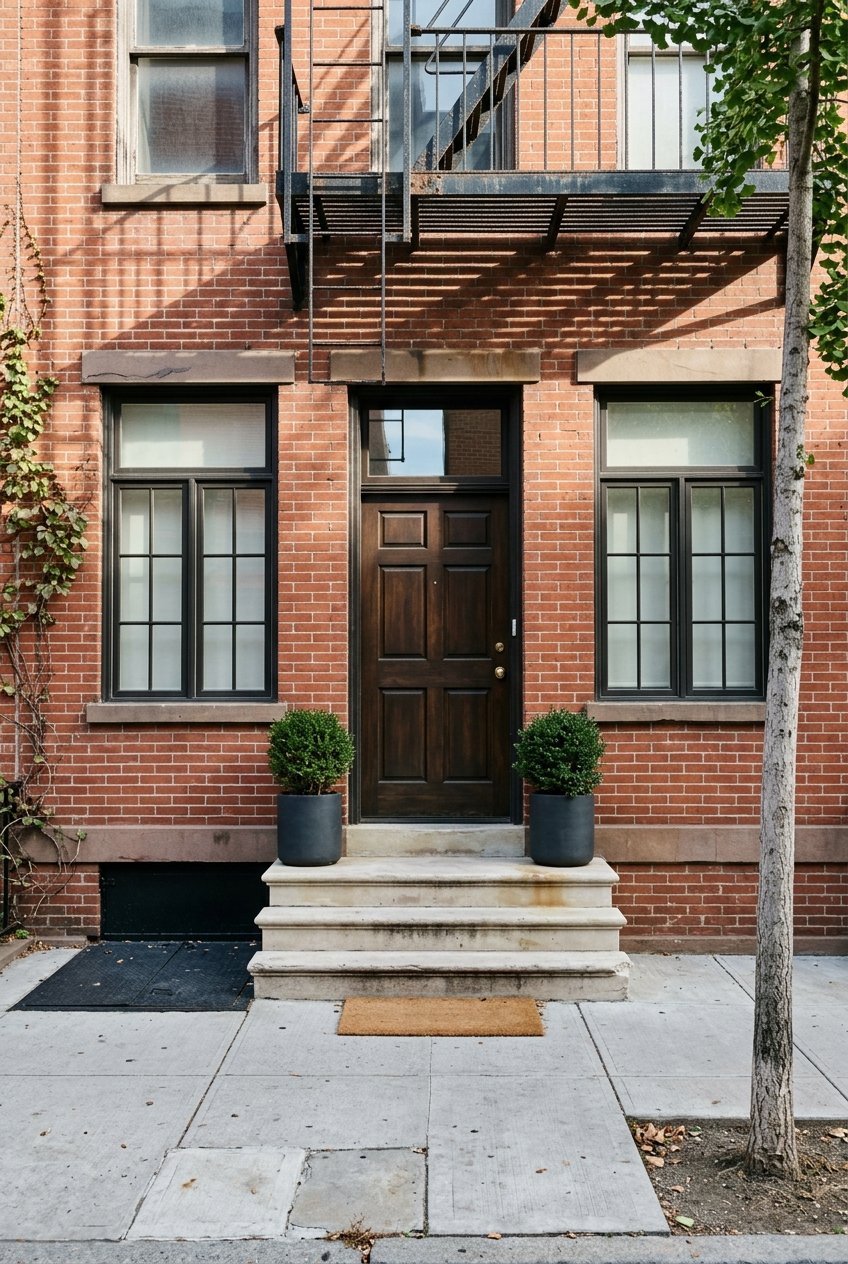
One of the most important things to understand about Nolita is its building form. Planning documents describe the area as overwhelmingly mixed-use, with many four- to six-story residential buildings and ground-floor retail. A recent city report also noted that surrounding blocks are made up predominantly of older low-rise buildings, including old-law tenements that generally lack elevators.
For part-time New Yorkers, that has real implications. You may find appealing older homes in a low-rise setting, but you should not expect tower-style amenities to define the neighborhood. In many cases, the trade is character and location over full-service infrastructure.
If you are considering a pied-à-terre or occasional-use apartment, stairs may be part of the equation. Older low-rise buildings can offer charm and strong location value, but they may also be less convenient for luggage, deliveries, or guests. That does not make them a poor fit. It simply means fit matters more than headline appeal.
This is especially important if you are comparing Nolita with newer high-rise districts in Manhattan. Nolita is generally not about large amenity packages, extensive staff, or a highly managed building feel. It is better understood as a boutique, older-building neighborhood with a strong sense of place.
New construction exists in Nolita, but official city materials suggest it is limited and boutique in scale rather than tower-driven. In practical terms, that means the supply of newer product is narrower than in some other Manhattan neighborhoods. If you want something newly built, you may need to be more patient and more targeted in your search.
For many part-time buyers, that boutique quality is actually part of the appeal. Smaller-scale inventory can feel more discreet and more connected to the neighborhood’s streetscape. The tradeoff is choice. You may need a more disciplined search strategy and realistic expectations around inventory.
For occasional city living, transit access can make or break the experience. Nolita performs well here. Current MTA information shows nearby access to Bleecker Street on the 6, Broadway-Lafayette Street on the B, D, F, and M, Bowery on the J and Z, Prince Street on the W, and Spring Street on the C and E.
That density of subway options gives you flexibility when you arrive, leave, or move around the city during short stays. It can also make the neighborhood easier for visiting family, friends, or business contacts to reach. For buyers who split time between New York and another primary residence, that convenience is a meaningful advantage.
The MTA also lists an accessible connection between Bleecker Street and Broadway-Lafayette. For part-time owners, that is a useful practical detail. When you are moving with bags, coordinating with guests, or trying to keep city logistics simple, small transit advantages can have an outsized impact.
Nolita offers nearby pocket parks and gardens, including DeSalvio Playground and the Elizabeth Street Community Garden site referenced in city planning materials. Those spaces add texture to the neighborhood and help break up the urban fabric. Still, they are not the defining feature of the area.
Official reviews note that the area has been relatively underserved by open space. If you want large parks, broad quiet buffers, or a more residential feeling outdoors, this is an important point to weigh. Nolita is better for buyers who prioritize location, walkability, and energy over greenery.
Nolita tends to make sense for a very specific kind of part-time New Yorker. You will likely appreciate it most if you want a compact home base in lower Manhattan, enjoy being able to walk to dining and shopping, and value having multiple subway lines close at hand. It is also a strong candidate if you prefer a neighborhood that feels distinct and tightly defined.
It may be less compelling if your checklist starts with elevator buildings, extensive amenities, or a notably quiet residential setting. The neighborhood’s official building pattern and street-level retail environment point in a different direction. This is not a criticism. It is what gives Nolita its identity.
A part-time buyer may find Nolita especially appealing if you are looking for:
You may want to compare Nolita with other areas if your priorities include:
If you are buying in Nolita as a part-time residence, focus on the details that will affect your real day-to-day use. In a neighborhood with many older low-rise buildings, building access, stair count, layout efficiency, and street exposure can matter as much as square footage. A beautiful apartment is only beautiful on paper if it does not work well for the way you actually live.
It also helps to evaluate each property in the context of the block around it. Because Nolita is so compact and mixed-use, a home’s immediate surroundings can shape your experience in a noticeable way. The difference between a quieter side street and a more active retail corridor may be significant if you are using the apartment for shorter stays.
For buyers balancing lifestyle and value, a measured, neighborhood-specific approach matters. Anna Coatsworth brings a discreet, analytical lens to Manhattan purchases, helping clients compare building type, location, and long-term usefulness with clarity. If you are considering a part-time home in Nolita, you can start the conversation with Anna Coatsworth.







Get assistance in determining the current property value, crafting a competitive offer, negotiating a sale, and much more. Contact me today.