Flatiron Loft vs Condo Guide: Which Home Fits You?
June 18, 2026
June 18, 2026
If you are deciding between a loft conversion and a new condo in Flatiron, you are really choosing between two very different ways of living in the same neighborhood. One offers volume, character, and older building DNA. The other leans toward turnkey finishes, services, and a more standardized ownership experience. In a low-turnover market where product type can shape value as much as location, understanding those differences can help you buy with more confidence. Let’s dive in.
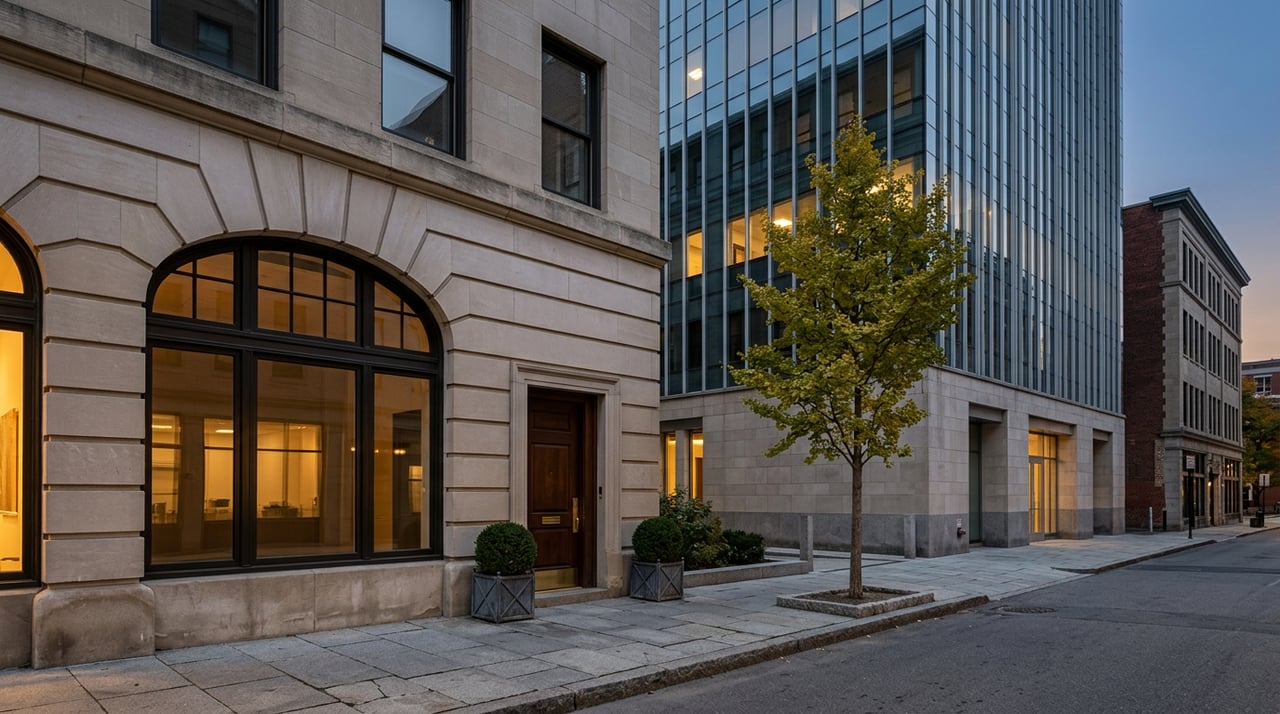
Flatiron is a relatively small neighborhood with a mix of luxury new development and former loft buildings that have returned as residential stock. StreetEasy’s neighborhood snapshot reports a median sale price of $1.7 million, a median base rent of $6,000, and a median sales timeline of 54 days. It also notes low turnover and a concentration of modern doorman buildings.
That matters because there is no single “typical” Flatiron apartment. In this part of Manhattan, building form, layout, and monthly carrying costs can influence your decision just as much as the address itself. If you are comparing a loft conversion with a new condo, the right choice often comes down to how you want to live day to day.
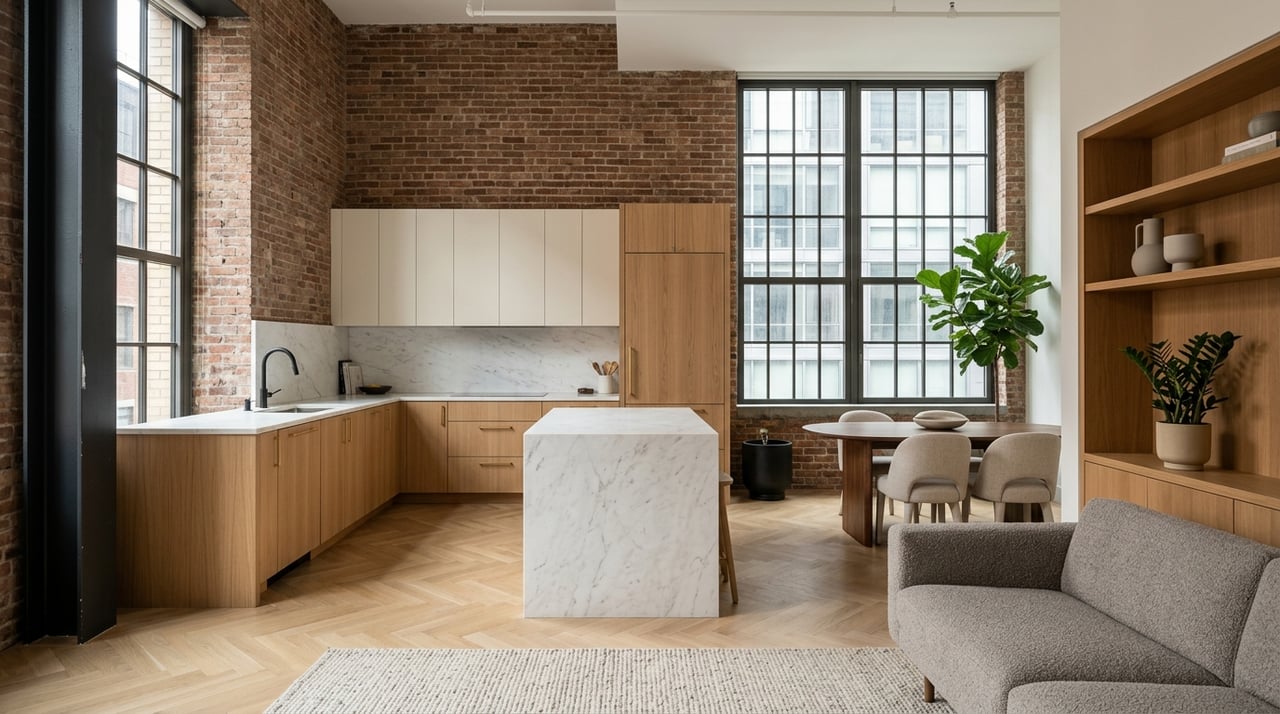
The New York City Loft Board defines loft-law conversion as the conversion of commercial or manufacturing space to lawful residential use. In Flatiron, that history still shapes the living experience. Many converted loft homes were once warehouses or workspaces, and that tends to show up in their proportions and layouts.
A useful example is 30 West 15th Street, a building constructed as a warehouse in 1908 and converted to a co-op in 1982. A recent sale there described a 2,500-square-foot square loft with 50 feet of south-facing windows, 11-foot ceilings, keyed elevator access, and an open plan. Those details capture why loft buyers are often drawn to this category.
Converted lofts often stand out for features that are hard to replicate in newer construction:
If you want a home that feels distinct and less standardized, this can be compelling. In Flatiron, loft-style homes can deliver a true downtown feel that many buyers specifically seek out.
One important point is that “loft conversion” does not describe a single amenity level. At 30 West 15th Street, the amenity offering was limited to elevator service, with no wellness or shared outdoor amenities noted. By contrast, 35 West 23rd Street, another loft-style condo, includes concierge, gym, media room, storage, and a roof deck.
So if you are considering a loft, it helps to separate the home itself from the building services. You may find beautiful volume and light in one building, but very different service levels from the next.
Not every Flatiron loft conversion is a condo. Some are co-ops, and that changes both governance and the way monthly charges are presented.
For example, 30 West 15th Street is a co-op. In that case, maintenance can read as a more all-in monthly building charge because taxes are included. That is very different from a condo, where common charges and property taxes are usually listed separately.
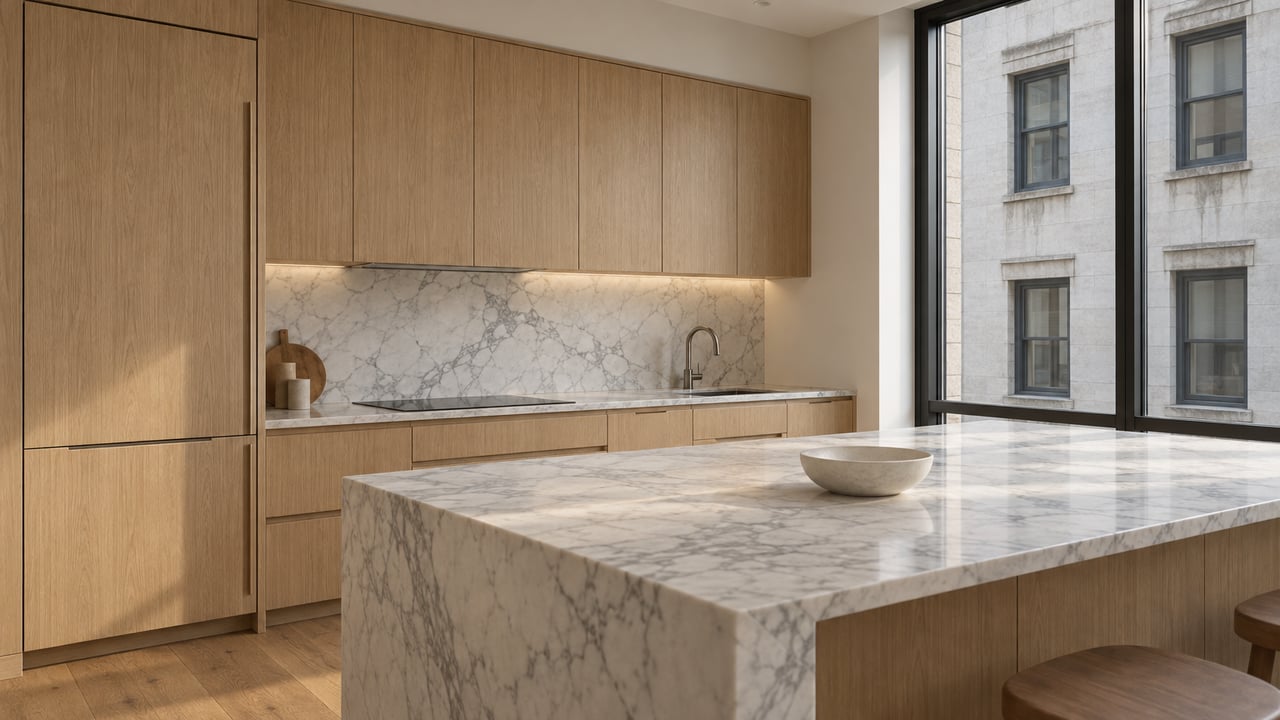
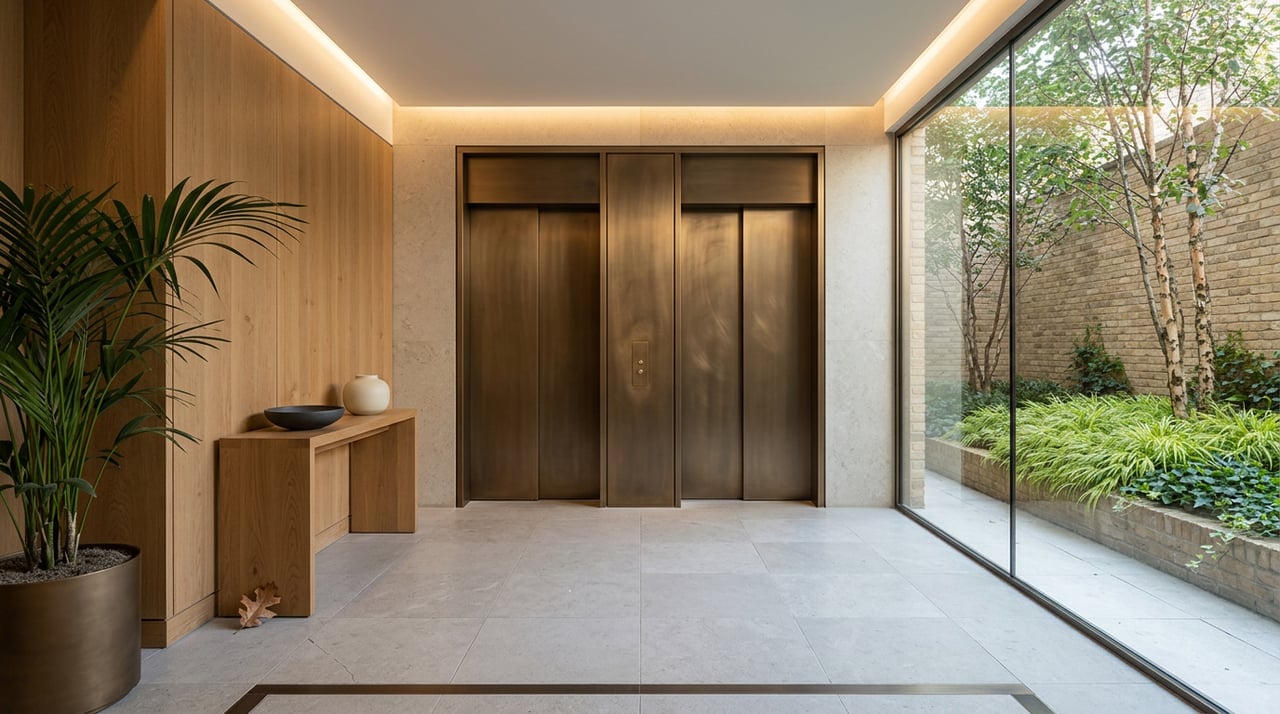
Ground-up new condos in Flatiron usually push harder on convenience, finishes, and service. They are often designed for buyers who want a more turnkey experience, both inside the residence and throughout the building.
LOUIE 18 at 16 West 18th Street is a recent example. This 2024 new-development condo offers doorman service, elevator, package room, gym, and roof deck, along with private outdoor space and private elevator access in the residences.
Another example is Flatiron House at 39 West 23rd Street. The building features COOKFOX-designed residences, floor-to-ceiling windows, loggias and terraces, and amenities that include concierge, doorman, bike room, parking, and storage.
In newer buildings, you will often see:
That can be especially appealing if you value simplicity, lower immediate upkeep, or a building that supports a lock-and-leave lifestyle.
Compared with older loft buildings, new condos tend to have more standardized plan types. LOUIE 18’s sales inventory, for example, is built around 1,416-square-foot two- and three-bedroom layouts. Older lofts, by contrast, can offer larger and more open plans or full-floor homes that feel less uniform.
That does not make one better than the other. It simply means you should decide whether you prefer predictability and efficiency, or a layout with more flexibility and personality.
One of the biggest mistakes buyers make is comparing only purchase price. In Flatiron, monthly carrying costs can vary sharply depending on whether you are buying a co-op loft, a loft-style condo, or a new condo.
Here is a simple view of the examples in the current research set:
| Property Type | Example | Asking/Sale Price | Monthly Charges Shown |
|---|---|---|---|
| Converted loft co-op | 30 West 15th Street #6S | $2.5M sale | $4,638 maintenance |
| Loft-style condo | 35 West 23rd Street #2 | $5.995M ask | $2,400 common charges + $5,362 taxes |
| New condo | LOUIE 18 #4 | $2.75M ask | $635 common charges + $2,597 taxes |
| New condo | Flatiron House #8B | $1.945M ask | $1,890 common charges |
These examples show why the monthly picture matters. The loft-style condo at 35 West 23rd Street carried a combined $7,762 per month before financing, while LOUIE 18 #4 showed a materially lower all-in monthly figure of $3,232 before financing.
The co-op example at 30 West 15th Street highlights another difference. Its $4,638 monthly maintenance included taxes, which can make a co-op’s monthly cost easier to read at a glance than a condo’s split charges.
The New York City Department of Finance says eligible co-op and condo developments can receive a property tax abatement for primary residences. Because of that, you should not assume tax costs from neighborhood averages or from another building nearby.
Instead, review each building on its own terms. In Flatiron, even homes with similar prices can have very different monthly ownership costs.
In a neighborhood like Flatiron, resale strength often comes from how clearly a home matches what its likely buyer wants. Loft conversions often appeal to buyers who prioritize character, ceiling height, natural light, and a classic downtown feeling. New condos usually appeal to buyers who want modern finishes, building services, and a more predictable ownership experience.
That distinction matters because Flatiron is a low-turnover market. When supply is limited, buyers tend to focus closely on whether a home cleanly fits their lifestyle rather than simply checking a neighborhood box.
There is another layer to consider with newer condos. Corcoran reported that only 81 new-development units launched in Manhattan in the first quarter of 2026, about 75 percent below the 10-year average, while Manhattan’s overall days on market fell to 110 days.
Tight new-development supply can support pricing, but very new buildings may have less resale history to help anchor value. LOUIE 18, for instance, began sales in 2024 and still consists of sponsor inventory. By comparison, 30 West 15th Street has a longer documented sales history as a converted loft co-op.
For some buyers, that shorter record is perfectly acceptable in exchange for a newer product. For others, the longer history of an established building can feel more legible.
If you are weighing loft conversions against new condos, try framing the decision around your priorities rather than around labels. The best fit is usually the one that aligns with how you live, what monthly budget feels comfortable, and how much value you place on services versus architectural character.
A loft conversion may be the better fit if you want:
A new condo may be the better fit if you want:
In Flatiron, the smartest comparison is rarely loft versus condo in the abstract. It is specific building versus specific building, with close attention to layout, service level, monthly costs, and resale context.
Because Flatiron inventory spans co-ops, loft-style condos, and newer full-service condos, surface-level comparisons can be misleading. Two homes with similar square footage may live very differently. Two homes with similar asking prices may have very different monthly obligations.
That is where a disciplined, building-by-building approach becomes valuable. In Manhattan, especially in nuanced neighborhoods like Flatiron, careful analysis often protects both lifestyle fit and long-term value.
If you are considering a purchase or sale in Flatiron, a discreet, data-driven review can help you compare options more clearly and move with confidence. To start the conversation, connect with Anna Coatsworth.





Get assistance in determining the current property value, crafting a competitive offer, negotiating a sale, and much more. Contact me today.