A Practical Guide for Upper East Side Family Buyers
March 24, 2026
March 24, 2026
If you are outgrowing your current space and eyeing the Upper East Side, you are not alone. Families come for park access, school options, and larger floor plans that fit real life. In this guide, you will learn how the UES breaks into distinct micro-neighborhoods and how each one supports daily routines, commutes, and budget. Let’s dive in.
The Upper East Side runs from Fifth Avenue on Central Park’s edge to the East River, and from roughly East 59th Street to the mid‑90s. That footprint includes Lenox Hill, Carnegie Hill, Yorkville, and the Fifth and Madison corridor. For a quick orientation to the area’s geography, review this neighborhood overview from a local property owner and manager’s guide for context on streets and edges. You can use the Solil guide to understand boundaries and landmarks (Upper East Side overview).
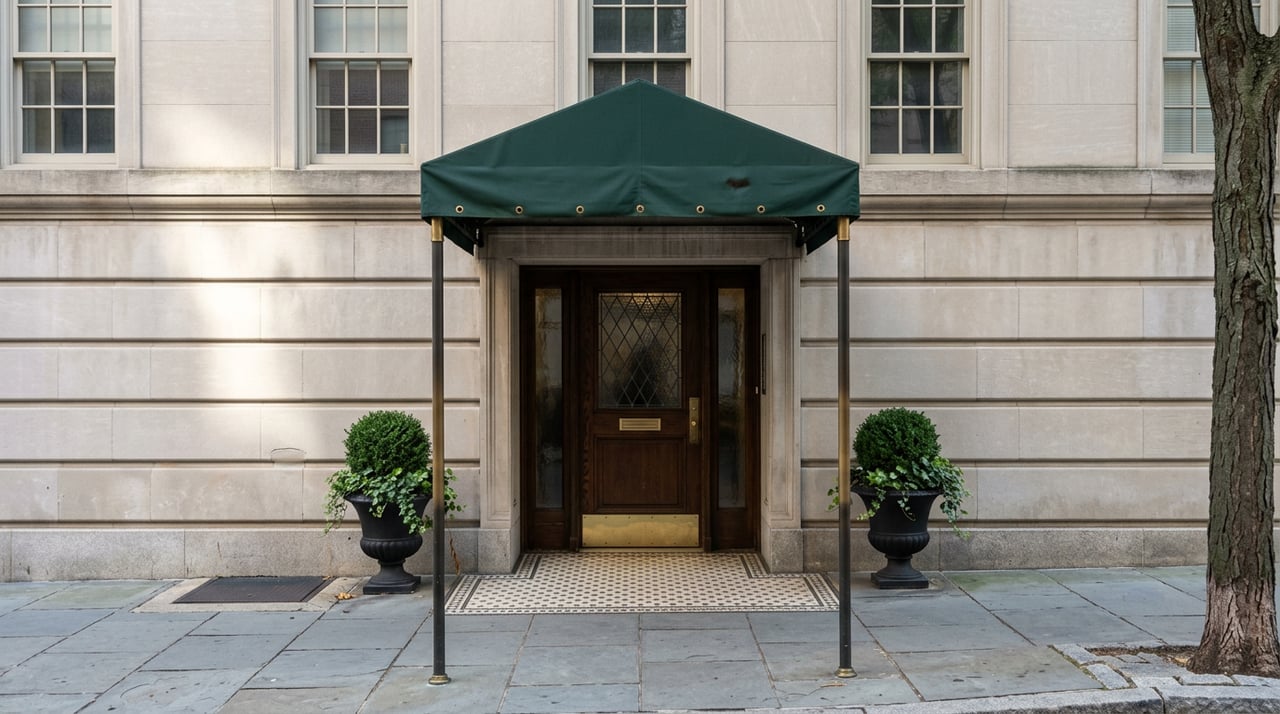
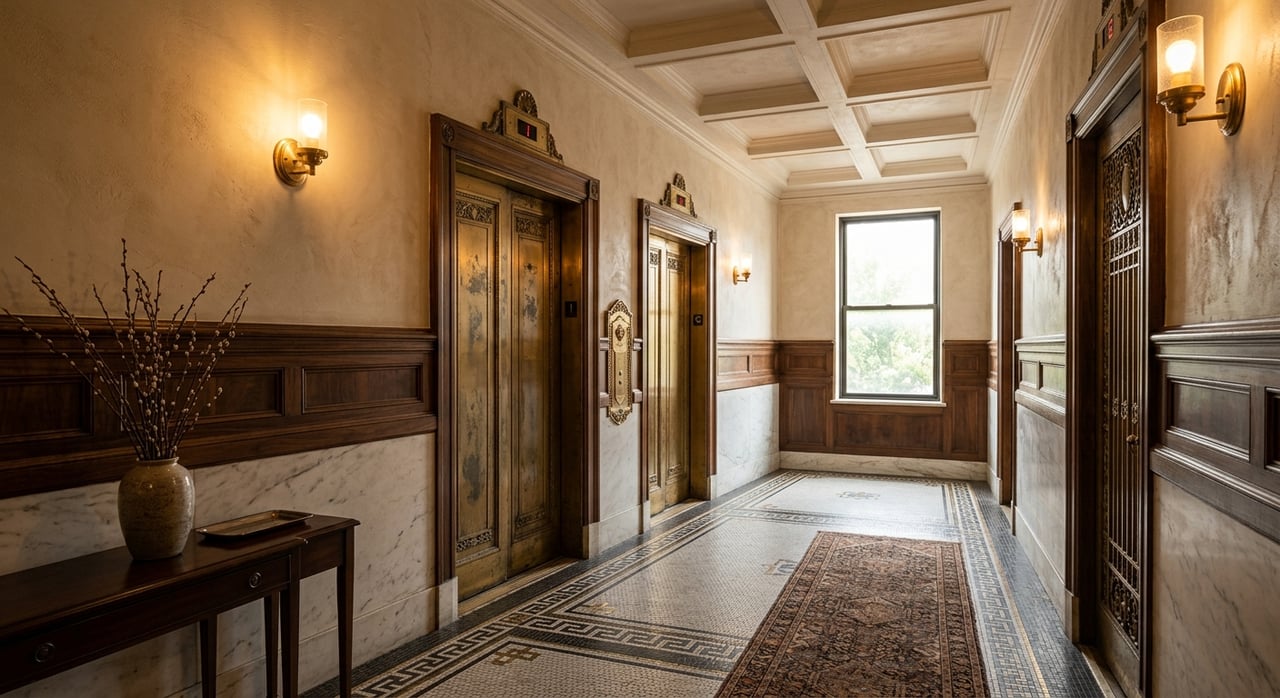
Families often choose the UES for its concentration of private schools, easy access to parks and sports facilities, and a mix of prewar co‑ops and newer condos. Notable private schools include Dalton, Brearley, Spence, Chapin, and Nightingale‑Bamford, all with campuses or facilities in the 70s through 90s. Learn more about the schools themselves on their public pages, such as the entries for the Dalton School and Brearley School.
Transit is a key strength. The Lexington Avenue 4/5/6 lines serve the whole corridor, and the Second Avenue Subway’s Q line at 72nd, 86th, and 96th materially improved access east of Third. You can review the Second Avenue Subway background and phasing via the MTA project brief.
Market snapshots for 2025 through early 2026 show a UES median in the low to mid seven figures. For example, a January 2026 summary cited a median listing price near $1.71M, and a June 2025 summary showed a median sold price around $1.48M. Treat these as directional anchors only and rely on building‑level comps before you bid.
Start with a short, strict priority list. This lets you evaluate blocks in minutes, not months.
Once you have these filters, map them to the three most common family targets below.
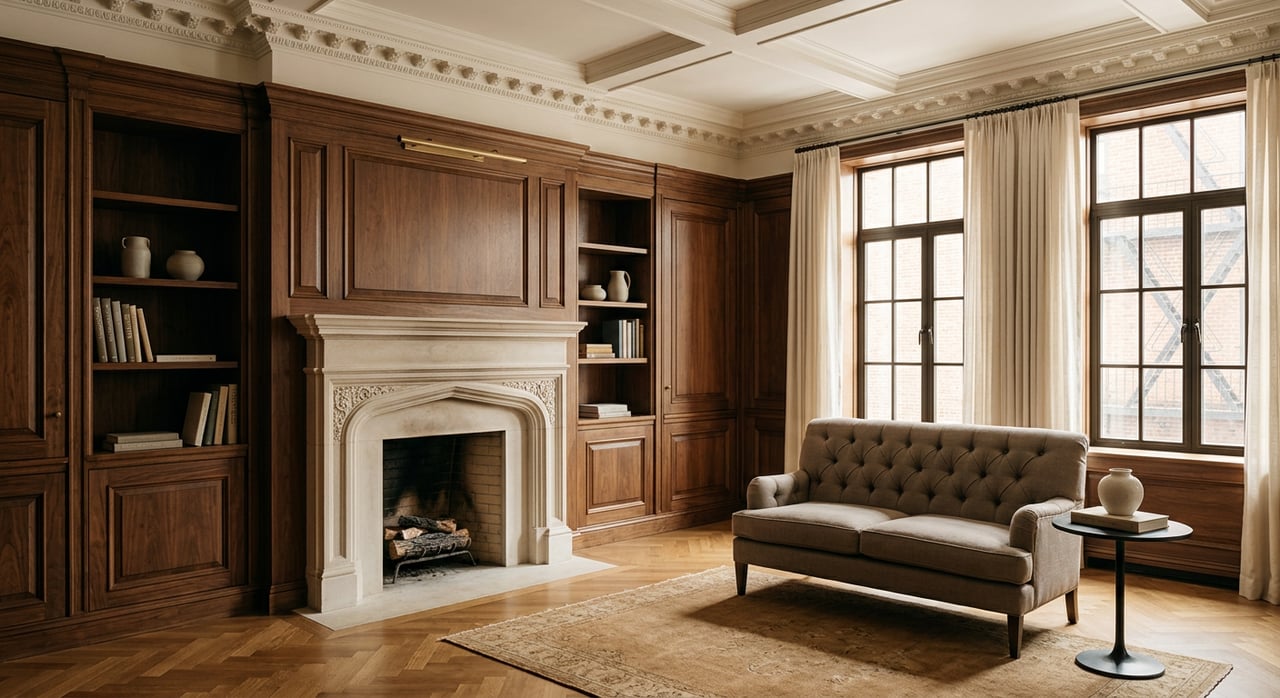
Carnegie Hill runs roughly from East 86th Street to the mid‑90s and west to Fifth Avenue, including the historic district and Museum Mile. Expect quiet, tree‑lined side streets, landmarked townhouses, and large prewar co‑ops with gracious room sizes. High‑rise new development is less common here than farther east, and turnover can be slower due to landmark and preservation considerations. For local context on the district and its streets, see Carnegie Hill Neighbors.
If daily outdoor time is a top priority, western Carnegie Hill offers near‑instant access to Central Park, including the northern lawns and the Conservatory Garden area. Museum Mile is at your doorstep for weekend routines.
Many families value proximity to private schools concentrated in the 80s and 90s. Walkability to Dalton, Spence, Chapin, Nightingale‑Bamford, and access to Brearley’s facilities can simplify days with multiple pickups. For public school zoning, confirm any listing’s attendance zone using the NYC DOE tool (Find a School).
Carnegie Hill often sits at the higher end of UES family pricing. Prewar 2‑bedroom resales can land in the low to mid millions, with many 3‑bedroom co‑ops trading at multi‑million levels depending on building and block. Townhouses and very large co‑op apartments price materially higher. Always verify with 12 to 24 months of building and block comps before making offers.
Lenox Hill covers the heart of the UES from the low 60s to the mid 70s, stretching from Fifth and Madison across to Third and Lexington. You will see a blend of Park and Madison Avenue prewar co‑ops, elegant mid‑rises, and side‑street townhouses. Retail, medical services, and daily conveniences are abundant. For a simple visual of cross streets, see this Upper East Side street map overview.
Western blocks sit a short walk from Central Park. Eastern blocks offer access to the East River promenade, with John Jay Park around East 77th Street as a common play destination. For a neighborhood presentation on that park and its facilities, see this community board resource.
This area provides access to a range of public and private options. If public school zoning is important, confirm the exact address in the DOE finder to avoid surprises. For private schools, plan routes and after‑school logistics along your most common crosstown paths.
Lenox Hill usually runs slightly more affordable than Fifth Avenue museum‑front blocks, and often higher than Yorkville. Many 2‑ to 3‑bedroom resales fall in the low to mid millions, with premiums on Park and Madison exposures. Building condition, service level, and floor height can swing values block by block.
Yorkville generally refers to the area east of Third Avenue toward the river, in the upper 70s through mid‑90s. This corridor has a higher share of postwar condos, newer glass and brick towers, and rental high‑rises with family amenities like playrooms, gyms, and pools. Larger new‑development 2‑ and 3‑bedroom layouts are common, which can be a draw if you want modern kitchens and on‑site amenities.
Yorkville is adjacent to Carl Schurz Park and the East River Esplanade, both useful for stroller walks, playground time, and biking. It is also home to Asphalt Green, a major sports complex with an Olympic‑sized pool at 555 East 90th Street. Explore programs and facilities at Asphalt Green’s UES campus. Learn more about the park setting near Gracie Mansion via this neutral overview.
Several zoned public schools serve Yorkville. For accuracy, verify any listing’s zone on the DOE site before you schedule tours. Many families also consider private schools reachable via the Q or a short car ride, balancing commute time with building amenities and space.
Yorkville typically offers relative value within the UES. Neighborhood medians are frequently cited in the low to mid millions, with some smaller 2‑bedroom resales coming in below broader UES medians. Newer condo units with river views and full services can still price at multi‑million levels.
If timing and flexibility matter, a condo can simplify your move. If space and scale matter most, a co‑op might deliver the best room count at a given budget.
Ready to narrow to three strong blocks and two buildings per block? That is where a disciplined, comp‑driven search wins. With a clear priority list, you can secure the right layout, the right access to parks and schools, and a price that reflects recent trades.
If you want a focused, confidential plan for your family’s move, connect with Anna Coatsworth. With 25+ years in Manhattan and a Columbia MBA, Anna blends local fluency with rigorous valuation so you can buy with confidence.



Get assistance in determining the current property value, crafting a competitive offer, negotiating a sale, and much more. Contact me today.